3 Simple Tests to Detect Breast Cancer in the Early Stage

Did you know?

1 in 8 women will face breast cancer during their lifetime.

Yes, it’s the most common cancer among women in India and across the world. But here’s the most important fact you should remember: breast cancer is not a death sentence.

With early detection and timely treatment, survival rates are very high, and many women go on to live long, healthy, happy lives.

This is why doctors all over the world emphasize screening and awareness. When breast cancer is caught early, it can often be treated before it spreads, and the chances of a complete cure are much higher.

So, instead of fearing it, let’s learn how to protect ourselves and our loved ones.
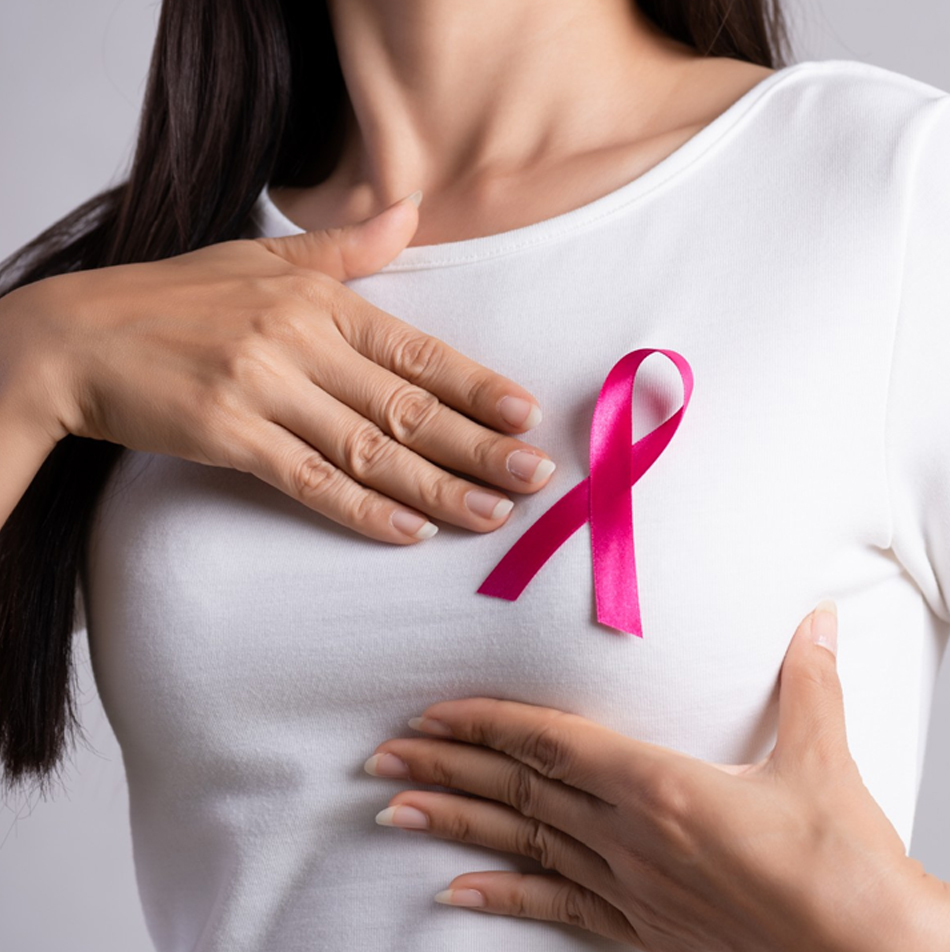
In this blog, we’ll explore:

✅ Why breast cancer is common yet curable
✅ The importance of early detection

✅ The 3 key tests that can help detect breast cancer at an early stage

✅ Lifestyle tips for breast health

✅ Answers to common questions women ask


Why Early Detection of Breast Cancer Matters

Breast cancer usually begins as small, silent changes in breast tissue. In the early stages, it doesn’t cause pain or obvious symptoms. Many women feel completely fine, which is why regular screening is essential.

When detected early:

  • Treatment is less complicated.
  • Chances of preserving the breast are higher.
  • Survival rates can reach over 90%.
  • It saves not just years of life, but also quality of life.

On the other hand, when detected late, treatment may require stronger medicines, longer recovery, and can sometimes become more challenging.

The good news? We now have simple, effective tools that help women take charge of their breast health.

The 3 Key Tests to Detect Breast Cancer Early

Your doctor’s advice is simple but powerful:

1. Self-Breast Examination (SBE)

This is the first and most basic step — and the best part is, you can do it yourself at home, in just a few minutes each month.

When to do it?

Once a month, ideally a few days after your period ends (when breasts are less tender).


Enquiry

How to do it?

  • Stand in front of a mirror, observe both breasts for any changes in size, shape, or skin texture.
  • Raise your arms and check if one looks different.
  • Gently press your breast with the flat part of your fingers in circular motions, covering the entire breast and armpit area.
  • Look for any lumps, swelling, or unusual discharge from the nipple.


Why it matters:
Most breast cancers are first noticed by women themselves. Knowing what is “normal” for your breasts helps you notice changes quickly.

👉 Remember: Not every lump means cancer. Many lumps are harmless (like cysts or fibroadenomas). But it’s always best to get any change checked by a doctor.

2. Mammogram – The Gold Standard
Think of a mammogram as a special X-ray for your breast. It can detect tiny tumors long before they can be felt by hand.

Who should get it?

  • Women above 40 years are generally advised to get regular mammograms.
  • If you have a family history of breast cancer, your doctor may recommend starting earlier (sometimes at 35 or even 30).


How often?

Usually once every 1–2 years, depending on your age and risk factors.

Does it hurt?

Some women feel mild discomfort because the breast is pressed between two plates for a few seconds. But it’s quick, safe, and worth it.

Why it matters:

Mammography has been proven worldwide to save lives by detecting breast cancer early. In fact, in many countries, it is part of routine health check-ups for women.


3. Ultrasound of the Breast

An ultrasound uses sound waves to create images of breast tissue. It’s especially useful in younger women, who usually have denser breast tissue (which makes mammograms harder to read).

When is it recommended?

  • Along with a mammogram, to provide a clearer picture.
  • If a doctor wants to study a specific lump more closely.
  • For women under 40, where ultrasound can be more accurate.


Why it matters:

Ultrasound is painless, radiation-free, and widely available at most diagnostic centers. When combined with a mammogram, it increases the chances of catching cancer early.

Other Helpful Tests (When Recommended by Doctors)

While the above three are the main tools, doctors may also suggest:

  • MRI of the Breast – for women with very high risk (like strong family history or genetic mutations).
  • Biopsy – if a suspicious lump is found, a small tissue sample may be taken for confirmation.


Who Is at Risk for Breast Cancer?

Breast cancer can affect any woman, but certain factors increase the risk:

  • Age above 40
  • Family history of breast/ovarian cancer
  • Early menstruation or late menopause
  • Never having children or having the first child after 30
  • Lifestyle factors: obesity, alcohol, smoking, lack of exercise

👉 Remember: Having risk factors does not mean you will definitely get cancer. It just means you should be extra careful with regular screening.

Symptoms You Shouldn’t Ignore

While many women don’t notice symptoms until later stages, you should see a doctor if you find:

  • A lump in the breast or armpit
  • Changes in breast size/shape
  • Dimpling of skin (like an orange peel)
  • Redness, scaling, or thickening of skin/nipple
  • Unusual nipple discharge


Positive Stories of Survival

Thousands of women across India and the world have defeated breast cancer — simply because they caught it early.

For example:

  • Women who noticed a small lump and got it checked immediately often needed only minor surgery.
  • Others who went for routine mammograms had tumors detected so early that treatment was quick and highly effective.

The common thread in all these stories? Awareness and timely action.

How Can You Protect Yourself?

  1. Do a monthly self-breast exam.
  2. Get regular mammograms/ultrasounds as advised by your doctor.
  3. Maintain a healthy lifestyle – eat balanced meals, exercise regularly, and maintain a healthy weight.
  4. Limit alcohol and smoking.
  5. Breastfeed your children (it reduces risk).
  6. Talk to your doctor if you have a strong family history.

Frequently Asked Questions (FAQs)

Not completely. But a healthy lifestyle and regular screening reduce your risk and help detect it early.

Yes, though it’s rare. Men should also be aware of unusual breast lumps.

No. Many lumps are non-cancerous. But don’t ignore it — get it checked.

Usually 10–15 minutes.

No. The dose is extremely low and safe for women.

Frequently Asked Questions (FAQs)

Not completely. But a healthy lifestyle and regular screening reduce your risk and help detect it early.

Yes, though it’s rare. Men should also be aware of unusual breast lumps.

No. Many lumps are non-cancerous. But don’t ignore it — get it checked.

Usually 10–15 minutes.

No. The dose is extremely low and safe for women.

Key Takeaway

Breast cancer is common. But when caught early, it is highly treatable.

👉 Remember the 3 simple steps your doctor recommends:

  1. Self-Breast Examination (monthly)
  2. Mammogram (as per age/risk)
  3. Ultrasound (when needed)

Don’t wait. Early detection is your best protection.

Share this with your sisters, mothers, daughters, and friends. Together, we can fight breast cancer with awareness, positivity, and strength. 💗

✨ Don’t wait for symptoms — let’s stay one step ahead.

Schedule your Ultrasound of the Breast today.

Call us: +91-9900811118

Visit: www.addonhealthcare.com

Get in touch with our experts

Please feel free to contact our friendly reception staff with any general or medical enquiry call us.

Book Your Appointment Now

Our experienced team and advanced technology ensure you receive top-quality care and accurate results. Schedule your visit now for a seamless, compassionate healthcare experience.

Your well-being is our priority.

Fill the form to
Book an Appointment / Ask a Query

For timely assistance, our customer care team is available to call back between 7.00 AM to 8.30 PM.

We add-on scans and labs strive to be the first choice in healthcare by providing high quality services to improve diagnostic services in health care.

To book a blood test, or an online blood collection or to enquire about our services,
call +91-9900811118 or visit our website