
A microarray analysis, also known as chromosomal microarray or SNP microarray, is a genetic test used by healthcare providers to detect chromosomal abnormalities in children.
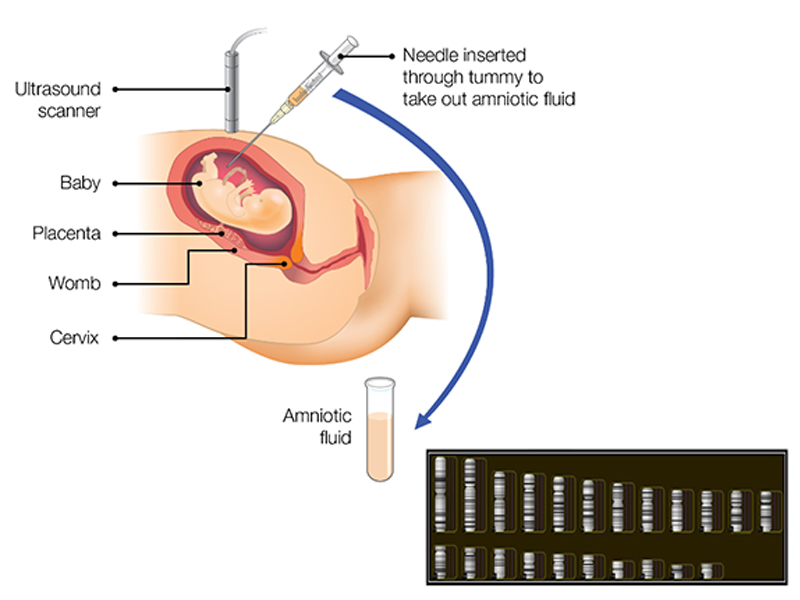
A microarray analysis, also known as chromosomal microarray or SNP microarray, is a genetic test used by healthcare providers to detect chromosomal abnormalities in unborn baby. This test looks at chromosomes, which are structures in our cells that contain thousands of genes made of DNA. These genes control our bodies’ growth, function, and characteristics.
Chromosome Basics
Humans usually have 46 chromosomes, which are organised in 23 pairs. Each pair contains one chromosome from the mother and one from the father. The first 22 pairs are identical in size and form in both genders. The 23rd pair, the sex chromosomes, determines genetic gender: females have two X chromosomes, while males have one X and one Y chromosome.
Why is the Test Done?
The microarray analysis detects chromosomal abnormalities that can cause medical conditions such as:
What Does the Microarray Test Detect?
This test does not detect every genetic disease or provide detailed information about specific genes. MCC testing ensures accuracy by checking for contamination from maternal cells.
Amniocentesis
Procedure: A thin needle is inserted into the amniotic sac through the mother’s abdomen to collect amniotic fluid.
When: Typically between 16 and 20 weeks of pregnancy.
Safety: Generally safe, with a minimal risk of complications like miscarriage or infection.
Chorionic Villus Sampling (CVS)
Procedure: Using a needle, a sample of placental tissue (chorionic villi) is taken through the cervix or abdomen.
When: Usually between 10 and 13 weeks of pregnancy.
Safety: Generally safe, but slightly higher miscarriage risk compared to amniocentesis.
Blood Sample
Procedure: A small amount of blood is drawn from the mother’s vein.
Safety: Standard and safe with minimal risks.
Laboratory Process
Turnaround Time: 12-15 working days.
Who needs it?
Is it safe?
Amniocentesis and CVS are both safe when performed by qualified healthcare experts.
Blood sampling is a routine and low-risk procedure.
By choosing our services, you are opting for:
We are here to provide you with exceptional care and ensure you have a positive experience. Schedule your scan with us and take the next step toward better health today.
Why Choose Us?
Take the Next Step
Experience exceptional care and a positive experience with our services. To book test/procedure, schedule an online blood collection, or inquire about our services, call +91-9900811118 or visit our website.
Microarray analysis is an advanced genetic test used during pregnancy to detect chromosomal abnormalities in an unborn baby. It examines the baby’s DNA to identify missing or extra chromosome segments that may cause genetic or developmental conditions.
Yes, microarray analysis is more sensitive than traditional karyotyping. It can detect smaller chromosomal deletions or duplications that karyotyping may miss, making it a preferred test when detailed genetic information is needed.
Microarray testing is recommended when:
Ultrasound shows fetal abnormalities
First- or second-trimester screening results are abnormal
The mother is of advanced maternal age
There is a family history of genetic disorders
Previous pregnancy had a chromosomal abnormality
Microarray analysis can be done using:
Amniocentesis (16–20 weeks)
Chorionic Villus Sampling (CVS) (10–13 weeks)
Maternal blood sample (non-invasive option)
The collected sample is analyzed in a genetic laboratory using a microarray chip.
Yes.
Blood sampling is completely safe and non-invasive.
Amniocentesis and CVS are generally safe when performed by experienced specialists, with a very low risk of complications.
Microarray analysis can help detect conditions related to:
Developmental delay
Congenital anomalies
Intellectual disabilities
Genetic syndromes caused by chromosomal deletions or duplications
Microarray analysis does not detect:
Single-gene disorders
Very small mutations within individual genes
All inherited genetic diseases
Your doctor may recommend additional genetic tests if needed.
The usual turnaround time for microarray analysis results is 12–15 working days, depending on laboratory processing and sample type.
MCC (Maternal Cell Contamination) testing ensures that the DNA analyzed belongs to the baby and not the mother. This step improves accuracy and reliability of the microarray test results.
Microarray analysis is ideal for:
Expectant parents with abnormal screening results
Couples with a previous child affected by genetic conditions
Pregnancies with ultrasound-detected anomalies
Parents seeking a more detailed genetic evaluation

Our experienced team and advanced technology ensure you receive top-quality care and accurate results. Schedule your visit now for a seamless, compassionate healthcare experience.
Your well-being is our priority.
For timely assistance, our customer care team is available to call back between 7.00 AM to 8.30 PM.
We add-on scans and labs strive to be the first choice in healthcare by providing high quality services to improve diagnostic services in health care.
To book a blood test, or an online blood collection or to enquire about our services,
call +91-9900811118 or visit our website