
Essential Guide:
5 Foods to Avoid During Pregnancy for a Healthy Journey

Pregnancy is a life-changing and beautiful journey. Your body is nurturing a new life, and every dietary choice plays a crucial role in ensuring the health of both you and your baby. While many foods are highly beneficial during pregnancy, some can pose risks and may lead to complications if not avoided. In this guide, we’ll walk you through five types of foods that you should avoid during pregnancy, explaining why they are risky and how you can make safer choices.
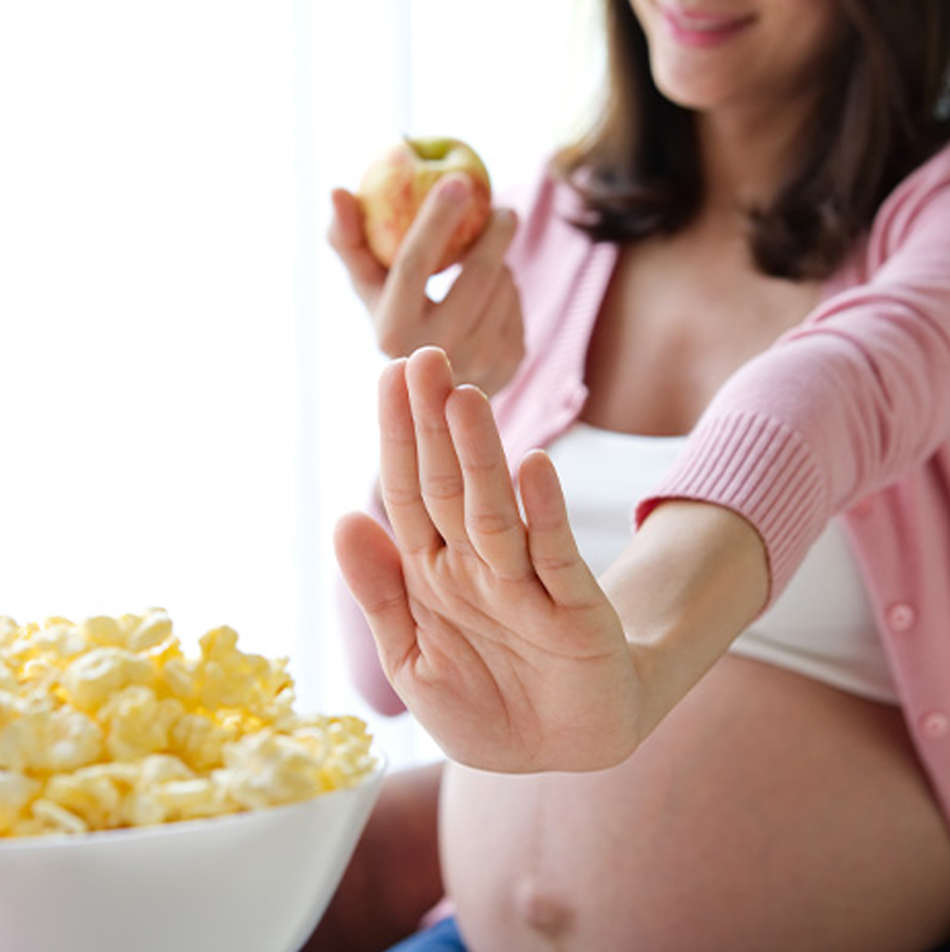
Avoid These 5 Types of Foods During Pregnancy for a Healthy Journey

1. Raw Fruits and Vegetables: Delicious but Sometimes Risky

Eating fruits and vegetables is essential for vitamins, minerals, and fiber during pregnancy. However, certain raw items can be harmful.

Fruits to Avoid
  • Unripe Papaya: Unripe or semi-ripe papaya contains a compound called latex, which may trigger uterine contractions. In the early stages of pregnancy, this can increase the risk of miscarriage. Ripe papaya is safer, but unripe varieties should always be avoided.
  • Pineapple: Pineapple contains an enzyme called bromelain. In large amounts, bromelain can soften the cervix and potentially induce contractions, particularly in the first trimester.
  • Grapes: Grapes are generally safe, but they can carry pesticide residues if not washed properly. Eating unwashed grapes can introduce harmful substances into your system.
 
Vegetables to Avoid
  • Raw Sprouts: Raw sprouts, including alfalfa, radish, clover, and mung bean sprouts, are notorious for harboring harmful bacteria like Salmonella and E. coli. These bacteria can cause foodborne illnesses that are particularly dangerous during pregnancy. Cooking sprouts thoroughly neutralizes this risk.
 
Tips for Safe Consumption
  • Always wash fruits and vegetables thoroughly with clean water before eating.
  • Prefer cooking or steaming vegetables rather than consuming them raw if you are unsure of their hygiene.
  • Avoid unripe papaya and pineapple during the first trimester to prevent any potential complications.


2. Spices and Additives: Use Caution with Uterine-Stimulating          Ingredients

Spices add flavor to food, but some can have unintended effects during pregnancy.

Spices to Limit
  • Fenugreek (Methi Seeds): Fenugreek is commonly used in Indian cuisine for flavoring or as a supplement. However, in large quantities, it can stimulate uterine contractions, which may increase the risk of premature labor.
  • Asafoetida (Hing): Hing is a traditional spice used in many dishes for digestion and taste. Excessive consumption may act as a uterine stimulant and cause digestive discomfort during pregnancy.
 
 
Avoids food in pregnancy

Enquiry

Tips for Safe Use
  • Use these spices in moderation, especially in the first trimester when the risk of miscarriage is higher.
  • If you want to include herbal supplements or strong spices, always consult your healthcare provider first


3. Dairy and Seafood: Bacteria Can Be Dangerous

Dairy products and seafood provide essential nutrients like calcium, protein, and omega-3 fatty acids. However, some types may carry bacteria that are harmful during pregnancy.

Dairy Products to Avoid
  • Unpasteurized Milk and Soft Cheeses: Unpasteurized milk, soft cheeses like Brie or Camembert, and certain yogurt types may contain Listeria bacteria. Listeria can cross the placenta and affect your baby, leading to serious complications.
 
Seafood to Avoid
  • Smoked or Raw Seafood: Raw fish, sushi, and smoked seafood may harbor harmful bacteria or parasites. They also carry the risk of mercury contamination depending on the fish type.
 
Tips for Safe Consumption
  • Always opt for pasteurized dairy products.
  • Ensure seafood is fully cooked before eating. Grilling, baking, or steaming fish is safer than consuming it raw or undercooked.


4. High-Sugar and Processed Foods: Watch Your Blood Sugar

Pregnancy changes your metabolism, making blood sugar management more important. High-sugar foods and heavily processed items can increase the risk of gestational diabetes.

Foods to Limit
  • Sugary Snacks: Cakes, muffins, candies, and soda cause sudden spikes in blood sugar, which can affect both mother and baby.
  • Processed Foods: Ready-to-eat items like packaged pasta, instant noodles, or canned desserts often contain hidden sugars and unhealthy fats, which can contribute to excessive weight gain and gestational diabetes.
 
Tips for Healthy Eating
  • Replace sugary snacks with fruits, nuts, or homemade desserts with minimal sugar.
  • Choose whole, unprocessed foods rich in fiber, like whole grains, lentils, and fresh vegetables, to maintain steady blood sugar levels.


5. Pre-prepared Foods: Hidden Risks of Contamination

Convenience foods like store-bought salads, packed juices, and ready-to-eat meals may save time, but they also carry hidden risks.

Foods to Avoid
  • Store-bought Salads and Packed Juices: Pre-prepared items can be contaminated with Listeria or other harmful bacteria if they are improperly stored or handled.
  • Unpasteurized Juices: Fresh juices sold at markets without pasteurization can carry bacteria that may cause foodborne illnesses.
 
Tips for Safe Consumption
  • Prepare meals at home using fresh, thoroughly washed ingredients.
  • If you must consume pre-packaged items, ensure they are from trusted sources and have been stored correctly.


Additional Tips for a Healthy Pregnancy Diet

1.Caloric Needs: You only need about 300 extra calories per day during pregnancy, usually starting in the second trimester. Focus on nutrient-dense foods rather than high-calorie processed snacks.
 
2.Balanced Nutrition: Include lean proteins, whole grains, healthy fats, fresh fruits, and vegetables in your daily meals.
 
3.Hydration: Drink plenty of water to stay hydrated, as it aids digestion, prevents constipation, and supports fetal development.
 
4.Small, Frequent Meals: Eating smaller meals throughout the day can help prevent nausea, acid reflux, and maintain stable blood sugar levels.
 
5.Consult a Healthcare Provider: Every pregnancy is unique. Discuss your diet and any supplements with your doctor or nutritionist to tailor your meal plan safely.

Frequently Asked Questions (FAQs)

Some foods may carry harmful bacteria, trigger uterine contractions, or increase the risk of miscarriage. Avoiding such foods helps prevent complications and supports your baby’s safe growth.

Unripe or raw papaya and excessive pineapple should be avoided as they contain enzymes that can cause uterine contractions. Small amounts of ripe papaya or pineapple, however, are usually safe if approved by your doctor.

No. Only unpasteurized soft cheeses like feta, brie, or camembert are risky. Pasteurized cheeses such as cheddar and mozzarella are completely safe.

You need only an extra 300 calories per day to support your baby’s growth. Instead of eating more, focus on eating nutrient-rich, fresh, and balanced meals.

Always wash produce thoroughly, cook meat and seafood properly, avoid raw or processed foods, and check expiry dates before consuming anything packaged.

Frequently Asked Questions (FAQs)

Some foods may carry harmful bacteria, trigger uterine contractions, or increase the risk of miscarriage. Avoiding such foods helps prevent complications and supports your baby’s safe growth.

Unripe or raw papaya and excessive pineapple should be avoided as they contain enzymes that can cause uterine contractions. Small amounts of ripe papaya or pineapple, however, are usually safe if approved by your doctor.

No. Only unpasteurized soft cheeses like feta, brie, or camembert are risky. Pasteurized cheeses such as cheddar and mozzarella are completely safe.

You need only an extra 300 calories per day to support your baby’s growth. Instead of eating more, focus on eating nutrient-rich, fresh, and balanced meals.

Always wash produce thoroughly, cook meat and seafood properly, avoid raw or processed foods, and check expiry dates before consuming anything packaged.

Eating well during pregnancy isn’t just about avoiding certain foods; it’s about making informed choices that nourish both you and your baby. By steering clear of raw papaya, pineapple, certain spices, unpasteurized dairy, high-sugar foods, and pre-prepared meals, you minimize risks and pave the way for a healthy pregnancy. Remember, moderation, hygiene, and mindful eating are key. Your baby’s health starts with the choices you make today!

At add-on Scans & Labs, we’re committed to supporting you through every stage of your pregnancy with accurate diagnostics, compassionate care, and expert guidance. From prenatal scans to essential lab tests, our team ensures you and your baby receive the best care possible.

Book your pregnancy scan or consultation today and take a confident step toward a healthy, happy journey to motherhood.

👉Call us now at 9900811118 to schedule your appointment with add-on Scans & Labs! 

Get in touch with our experts

Please feel free to contact our friendly reception staff with any general or medical enquiry call us.

Book Your Appointment Now

Our experienced team and advanced technology ensure you receive top-quality care and accurate results. Schedule your visit now for a seamless, compassionate healthcare experience.

Your well-being is our priority.

Fill the form to
Book an Appointment / Ask a Query

For timely assistance, our customer care team is available to call back between 7.00 AM to 8.30 PM.

We add-on scans and labs strive to be the first choice in healthcare by providing high quality services to improve diagnostic services in health care.

To book a blood test, or an online blood collection or to enquire about our services,
call +91-9900811118 or visit our website