Holes in Babies’ Hearts! Should You Be Worried?

Pregnancy is one of the most beautiful and emotional journeys for any parent. Each scan brings excitement — a chance to see your little one growing inside. But sometimes, the ultrasound report might mention something that sounds alarming, like a “hole in the baby’s heart.” Naturally, this can cause anxiety and sleepless nights for parents-to-be.

Before you panic, take a deep breath — because in most cases, this condition is manageable and treatable. Let’s understand what it really means, how it’s diagnosed, and what steps you can take to ensure your baby’s heart health.
What Does “Hole in the Baby’s Heart” Mean?

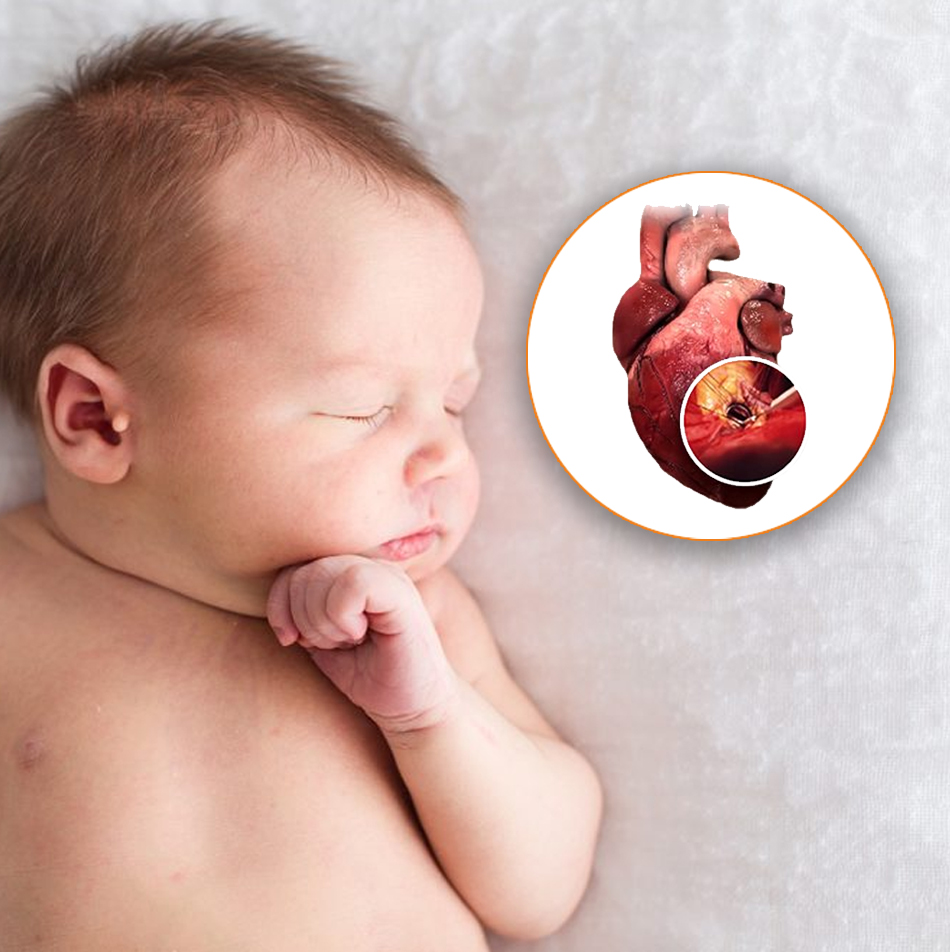
In medical terms, a “hole in the heart” refers to a structural defect in the wall that separates the heart’s chambers. These are known as:

  • Ventricular Septal Defect (VSD): A hole between the lower chambers (ventricles).
  • Atrial Septal Defect (ASD): A hole between the upper chambers (atria).

These openings allow blood to pass between the left and right sides of the heart, which can alter the normal flow of oxygen-rich and oxygen-poor blood.

But here’s the reassuring part — many of these defects are small and close naturally either before birth or within the first year of life.


Why Do These Heart Defects Happen?

Fetal heart development is a complex process that occurs in the early weeks of pregnancy. Sometimes, due to genetic or environmental factors, the heart wall doesn’t close completely.

Possible reasons may include:

  • Genetic factors or chromosomal abnormalities (e.g., Down syndrome)
  • Maternal infections during early pregnancy
  • Uncontrolled diabetes in the mother
  • Medications or substance exposure in early pregnancy
  • Unknown causes — in many cases, there’s no clear reason

It’s important to remember that you did nothing wrong. These conditions are not caused by anything you ate, did, or didn’t do during pregnancy.


How Is a Heart Defect Detected in the Baby?

  1. Routine Pregnancy Ultrasound (Anomaly Scan)

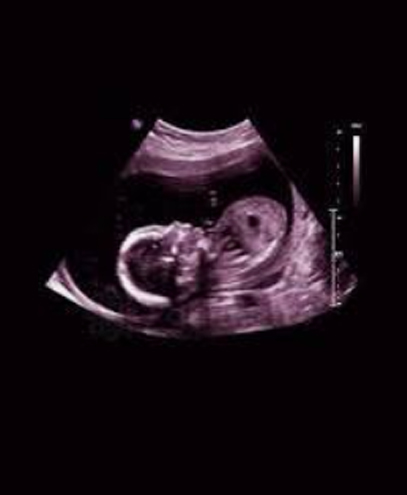
Most “holes in the heart” are first suspected during a mid-pregnancy anomaly scan (usually around 18–22 weeks). If the doctor notices an unusual blood flow or structural variation, you’ll be referred for a more detailed test.

  1. Fetal Echocardiography

A Fetal Echocardiography (also known as a Fetal Echo) is a specialized ultrasound performed to evaluate the baby’s heart structure and function in detail.

Enquiry

At add-on Scans & Labs, Sarjapur, Bangalore, our expert fetal medicine specialists use advanced ultrasound technology to carefully assess:

  • The size and location of the defect
  • Blood flow across the chambers
  • The baby’s heart rhythm and pumping function
  • Associated abnormalities, if any

This detailed evaluation helps your doctor understand whether the defect is mild, moderate, or significant — and plan appropriate monitoring or treatment.


Should You Be Worried about a Hole in the Baby’s Heart?

In most cases — no.
Here’s why:

Small VSDs or ASDs often close naturally.
Many tiny holes close on their own as the baby grows in the womb or within the first year after birth.

Even larger holes can be treated successfully.
Thanks to modern fetal cardiology and pediatric cardiac care, surgical correction or catheter-based procedures can effectively fix the defect after birth.

Regular follow-ups make a big difference.
With proper fetal monitoring and guidance, your doctor can plan the safest delivery and postnatal care.

So, while it’s understandable to feel anxious, know that most babies with septal defects grow up healthy and active.


What Happens After Birth?

Once your baby is born, your pediatrician or pediatric cardiologist will recommend:

  • Echocardiogram (Echo test) to reassess the defect
  • Regular check-ups to monitor the baby’s heart growth and oxygen levels
  • Treatment or surgery (only if the defect is large or causing symptoms like poor feeding, breathing difficulty, or slow growth)

Early diagnosis and management ensure the best outcomes — that’s why prenatal detection through fetal echocardiography is so important.


How add-on Scans & Labs Can Help

At add-on Scans & Labs, we specialize in Fetal Echocardiography and Advanced Pregnancy Scans to detect and monitor fetal heart defects with precision.

Our services include:

  • First Trimester NT & Early Fetal Scan
  • Targeted Anomaly Scan
  • Fetal Echocardiography
  • Growth and Doppler Studies
  • 3D/4D Fetal Imaging

With state-of-the-art ultrasound systems, experienced fetal medicine specialists, and compassionate care, we ensure you receive accurate results and the reassurance you deserve.


What Can You Do as an Expectant Parent?

💗Stay calm and informed. Understanding the condition helps you make better decisions.
🥗Follow a healthy lifestyle. Eat balanced meals, avoid alcohol and smoking, and take your prescribed supplements.
🩺Attend all follow-up scans. Regular monitoring helps track improvement and catch any new changes early.
👶Trust your care team. With timely care, most babies with heart defects lead normal, healthy lives.

Frequently Asked Questions (FAQs)

Yes, many small ventricular or atrial septal defects close naturally during pregnancy or within the first few months after birth.

Only large or symptomatic defects require surgery. Most babies with small VSDs or ASDs need only monitoring and routine follow-ups.

No, fetal echocardiography is a completely safe and non-invasive ultrasound scan. It uses sound waves — not radiation — to create images of the baby’s heart.

It’s usually done between 18 and 24 weeks of pregnancy, especially if:

  • An abnormality is seen on the anomaly scan
  • There’s a family history of heart defects
  • The mother has diabetes or autoimmune conditions
  • Certain medications were taken during early pregnancy

Not all defects are preventable, but controlling maternal diabetes, avoiding harmful drugs, and taking folic acid supplements before and during pregnancy can reduce the risk.

If the defect is significant, your obstetrician and fetal medicine specialist may recommend delivering at a tertiary care hospital with a neonatal cardiac unit. add-on Scans & Labs collaborates with top pediatric cardiologists for continuity of care.

Frequently Asked Questions (FAQs)

Yes, many small ventricular or atrial septal defects close naturally during pregnancy or within the first few months after birth.

Only large or symptomatic defects require surgery. Most babies with small VSDs or ASDs need only monitoring and routine follow-ups.

No, fetal echocardiography is a completely safe and non-invasive ultrasound scan. It uses sound waves — not radiation — to create images of the baby’s heart.

It’s usually done between 18 and 24 weeks of pregnancy, especially if:

  • An abnormality is seen on the anomaly scan
  • There’s a family history of heart defects
  • The mother has diabetes or autoimmune conditions
  • Certain medications were taken during early pregnancy

Not all defects are preventable, but controlling maternal diabetes, avoiding harmful drugs, and taking folic acid supplements before and during pregnancy can reduce the risk.

If the defect is significant, your obstetrician and fetal medicine specialist may recommend delivering at a tertiary care hospital with a neonatal cardiac unit. add-on Scans & Labs collaborates with top pediatric cardiologists for continuity of care.

When to Visit add-on Scans & Labs

You should consult our specialists for a Fetal Echocardiography if:

  • Your anomaly scan showed any cardiac irregularity
  • You have diabetes, hypertension, or autoimmune disease
  • There’s a family history of congenital heart disease
  • You’re carrying twins or have conceived through IVF

At add-on Scans & Labs, Sarjapur Road, Bangalore, our goal is to provide clarity, compassion, and expert care to every expecting parent.


Hearing that your baby might have a “hole in the heart” can sound terrifying — but medical advancements today have turned what once was a major concern into a manageable condition.

With early diagnosis, regular monitoring, and the right support, most babies with VSDs or ASDs grow up perfectly healthy.

So if your doctor recommends a fetal echocardiography, remember — it’s not just a test; it’s a way to protect your baby’s heart and your peace of mind.💖

Worried about your baby’s heart health? Don’t wait for uncertainty to grow.
Visit add-on Scans & Labs, near Sompura Gate, Sarjapur Road, Bangalore, for a detailed Fetal Echocardiography by our experienced fetal medicine specialists.

✅ Safe & Comfortable Scanning Experience
✅ Advanced 4D Imaging Technology
✅ Expert Fetal Cardiac Evaluation

📍 Location: add-on Scans & Labs, Sompura Gate, Sarjapur Road, Bangalore
📞 Call: +91-9900811118
🌐 Book Online: www.addonhealthcare.com

Your baby’s heart deserves the best care — and we’re here to provide it. ❤️

Get in touch with our experts

Please feel free to contact our friendly reception staff with any general or medical enquiry call us.

Book Your Appointment Now

Our experienced team and advanced technology ensure you receive top-quality care and accurate results. Schedule your visit now for a seamless, compassionate healthcare experience.

Your well-being is our priority.

Fill the form to
Book an Appointment / Ask a Query

For timely assistance, our customer care team is available to call back between 7.00 AM to 8.30 PM.

We add-on scans and labs strive to be the first choice in healthcare by providing high quality services to improve diagnostic services in health care.

To book a blood test, or an online blood collection or to enquire about our services,
call +91-9900811118 or visit our website