

Rainy weather brings relief from the heat and creates a refreshing atmosphere. However, many people notice that shortly after getting drenched in the rain, they begin experiencing symptoms such as fever, cold, sore throat, cough, body aches, or fatigue. This often leads to a common question:
The answer is not entirely simple.
Rainwater itself does not directly cause infections. However, exposure to cold and wet conditions, sudden temperature changes, increased humidity, and the spread of viruses and bacteria during the monsoon season can make the body more vulnerable to illness.
During the rainy season, viral fevers, respiratory infections, dengue, malaria, and other seasonal illnesses become more common. Understanding why this happens can help you take the right precautions and seek timely medical care when necessary.
No.
Rainwater itself does not contain the viruses responsible for the common cold or most seasonal infections. However, getting soaked in the rain can create conditions that increase the likelihood of becoming unwell.
When the body remains cold and wet for a prolonged period:
At the same time, rainy weather creates ideal conditions for microorganisms to spread, making infections more frequent during monsoon.
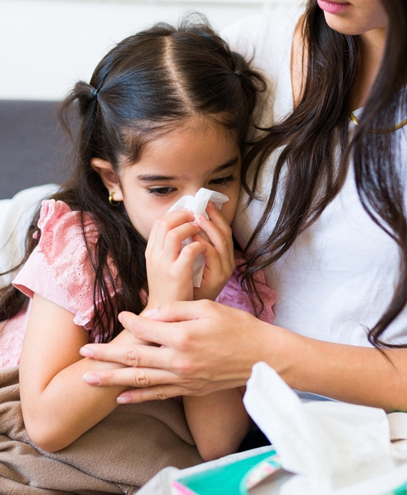
When you are exposed to cold rainwater, your body loses heat rapidly. Staying in wet clothes for a long time can stress the body’s natural immune response.
This may increase susceptibility to:
Children, elderly individuals, pregnant women, and people with low immunity are often more sensitive to these changes.
Monsoon season is commonly associated with a rise in viral respiratory infections.
Common illnesses include:
Symptoms may include:
Many people assume rain directly causes these illnesses, but the actual reason is the increased circulation of viruses during the season.
Flooded roads and stagnant water may contain harmful bacteria, parasites, and other infectious organisms.
Exposure to contaminated water can increase the risk of:
Walking barefoot in stagnant water may further increase the risk of infection.
Rainy weather can increase the concentration of:
People with allergies may experience:
These symptoms can occur even without an infection.
One of the major health concerns during monsoon is the increase in mosquito breeding due to stagnant water accumulation.
This raises the risk of:
Common symptoms include:
Early diagnosis is important to prevent complications.
Viral Fever
Often associated with fever, weakness, fatigue, and body pain.
Common Cold and Flu
Typically causes sneezing, sore throat, cough, congestion, and fever.
Dengue Fever
A mosquito-borne illness that may cause high fever, severe body pain, headache, rash, and low platelet count.
Malaria
Can cause recurrent fever, chills, sweating, and weakness.
Typhoid Fever
Usually linked to contaminated food and water.
Gastroenteritis
Common symptoms include vomiting, diarrhea, abdominal pain, and dehydration.
Fungal Skin Infections
More common due to excess moisture and humidity.
Mild symptoms may improve with rest and hydration. However, certain warning signs require medical attention.
Consult a healthcare professional if you experience:
Early diagnosis can help prevent complications and support faster recovery.
Depending on your symptoms, your doctor may advise diagnostic tests to identify the cause of illness.
Complete Blood Count (CBC)
Helps evaluate infection, inflammation, anemia, and platelet count.
Dengue NS1 Antigen Test
Useful for early detection of dengue infection.
Dengue IgM Antibody Test
Helps diagnose dengue infection during later stages.
Malaria Test
Detects malaria parasites in blood samples.
C-Reactive Protein (CRP)
Assesses inflammation and infection severity.
Urine Routine Examination
May help identify urinary tract infections and dehydration-related changes.
Chest X-Ray
Recommended when respiratory symptoms or suspected lung infections are present.
Timely testing helps guide appropriate treatment and avoids unnecessary medications.
You can reduce your risk of illness during monsoon by following simple precautions:
✔️ Change out of wet clothes immediately
✔️ Dry your hair and body thoroughly
✔️ Wear clean and dry clothing
✔️ Drink warm fluids if you feel chilled
✔️ Maintain good hand hygiene
✔️ Avoid stagnant water whenever possible
✔️ Use mosquito repellents and protective clothing
✔️ Consume freshly prepared food and safe drinking water
✔️ Strengthen immunity with adequate sleep, hydration, and balanced nutrition
Medical testing may be helpful if symptoms:
Early testing can help identify the cause of illness quickly and support timely treatment.
Rainwater itself does not directly cause fever. Fever usually develops due to viral, bacterial, or mosquito-borne infections that become more common during the monsoon season.
Cold and wet conditions may temporarily weaken the body’s natural defense mechanisms, making it easier for viruses already present in the environment to cause infection
Symptoms such as cold, fever, cough, or sore throat may appear within 1–3 days if an infection develops after exposure.
Yes. Staying in wet clothes for prolonged periods may lower body temperature, increase discomfort, and make the body more vulnerable to infections.
Yes. Children often have developing immune systems and may be more sensitive to sudden weather changes, viral infections, and contaminated water exposure.
Common rainy season illnesses include viral fever, cold and flu, dengue, malaria, typhoid, gastroenteritis, and fungal skin infections.
You should consider medical evaluation if fever lasts more than 2–3 days, becomes severe, or is associated with symptoms such as rash, breathing difficulty, severe body pain, vomiting, or dehydration.
Doctors may advise tests such as Complete Blood Count (CBC), Dengue NS1 Antigen Test, Dengue IgM Test, Malaria Test, CRP, and other investigations depending on symptoms.
No. Dengue and malaria are caused by mosquito bites, not rainwater. However, stagnant water during monsoon increases mosquito breeding and the risk of these infections.
You can reduce your risk by changing wet clothes immediately, maintaining hygiene, avoiding stagnant water, drinking safe water, eating freshly prepared food, using mosquito repellents, and supporting immunity through proper sleep and nutrition.
Rainwater itself does not directly cause fever. Fever usually develops due to viral, bacterial, or mosquito-borne infections that become more common during the monsoon season.
Cold and wet conditions may temporarily weaken the body’s natural defense mechanisms, making it easier for viruses already present in the environment to cause infection.
Symptoms such as cold, fever, cough, or sore throat may appear within 1–3 days if an infection develops after exposure.
Yes. Staying in wet clothes for prolonged periods may lower body temperature, increase discomfort, and make the body more vulnerable to infections.
Yes. Children often have developing immune systems and may be more sensitive to sudden weather changes, viral infections, and contaminated water exposure.
Common rainy season illnesses include viral fever, cold and flu, dengue, malaria, typhoid, gastroenteritis, and fungal skin infections.
You should consider medical evaluation if fever lasts more than 2–3 days, becomes severe, or is associated with symptoms such as rash, breathing difficulty, severe body pain, vomiting, or dehydration.
Doctors may advise tests such as Complete Blood Count (CBC), Dengue NS1 Antigen Test, Dengue IgM Test, Malaria Test, CRP, and other investigations depending on symptoms.
No. Dengue and malaria are caused by mosquito bites, not rainwater. However, stagnant water during monsoon increases mosquito breeding and the risk of these infections.
You can reduce your risk by changing wet clothes immediately, maintaining hygiene, avoiding stagnant water, drinking safe water, eating freshly prepared food, using mosquito repellents, and supporting immunity through proper sleep and nutrition.
Please feel free to contact our friendly reception staff with any general or medical enquiry call us.

Our experienced team and advanced technology ensure you receive top-quality care and accurate results. Schedule your visit now for a seamless, compassionate healthcare experience.
Your well-being is our priority.
For timely assistance, our customer care team is available to call back between 7.00 AM to 8.30 PM.
We add-on scans and labs strive to be the first choice in healthcare by providing high quality services to improve diagnostic services in health care.
To book a blood test, or an online blood collection or to enquire about our services,
call +91-9900811118 or visit our website