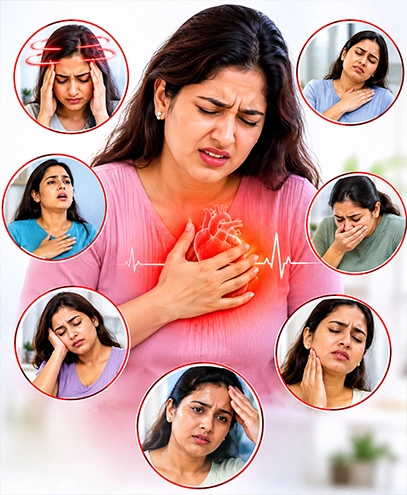
Heart Attack Symptoms in Women: 7 Warning Signs You Should Never Ignore

A heart attack can happen suddenly, and recognizing the warning signs can save a life. Although many people associate a heart attack with severe chest pain, heart attack symptoms in women can sometimes be different from the symptoms commonly seen in men. Some women experience chest discomfort, while others may notice unusual tiredness, shortness of breath, nausea, or pain in the back or jaw.

These symptoms may appear gradually or suddenly. Sometimes, they can be mistaken for acidity, indigestion, stress, or ordinary fatigue. However, ignoring these warning signs can delay lifesaving treatment.

Understanding the early symptoms of a heart attack in women is important for women of all ages, especially those with high blood pressure, diabetes, high cholesterol, or a family history of heart disease.

In this blog, we explain seven heart attack warning signs in women, important risk factors, when to seek emergency help, and answers to frequently asked questions.

What Is a Heart Attack?

A heart attack, medically known as a myocardial infarction, occurs when blood flow to part of the heart muscle becomes severely reduced or blocked. Without enough oxygen-rich blood, the affected heart muscle can become damaged.

A heart attack is a medical emergency. Getting treatment quickly can help reduce heart muscle damage and improve the chances of recovery.

Women can experience the classic symptoms of a heart attack, but some may also experience less obvious symptoms. This is why it is important to recognize changes in your body and seek medical attention when something feels unusual.


7 Heart Attack Symptoms in Women You Should Never Ignore

1. Chest Pain, Pressure, or Discomfort

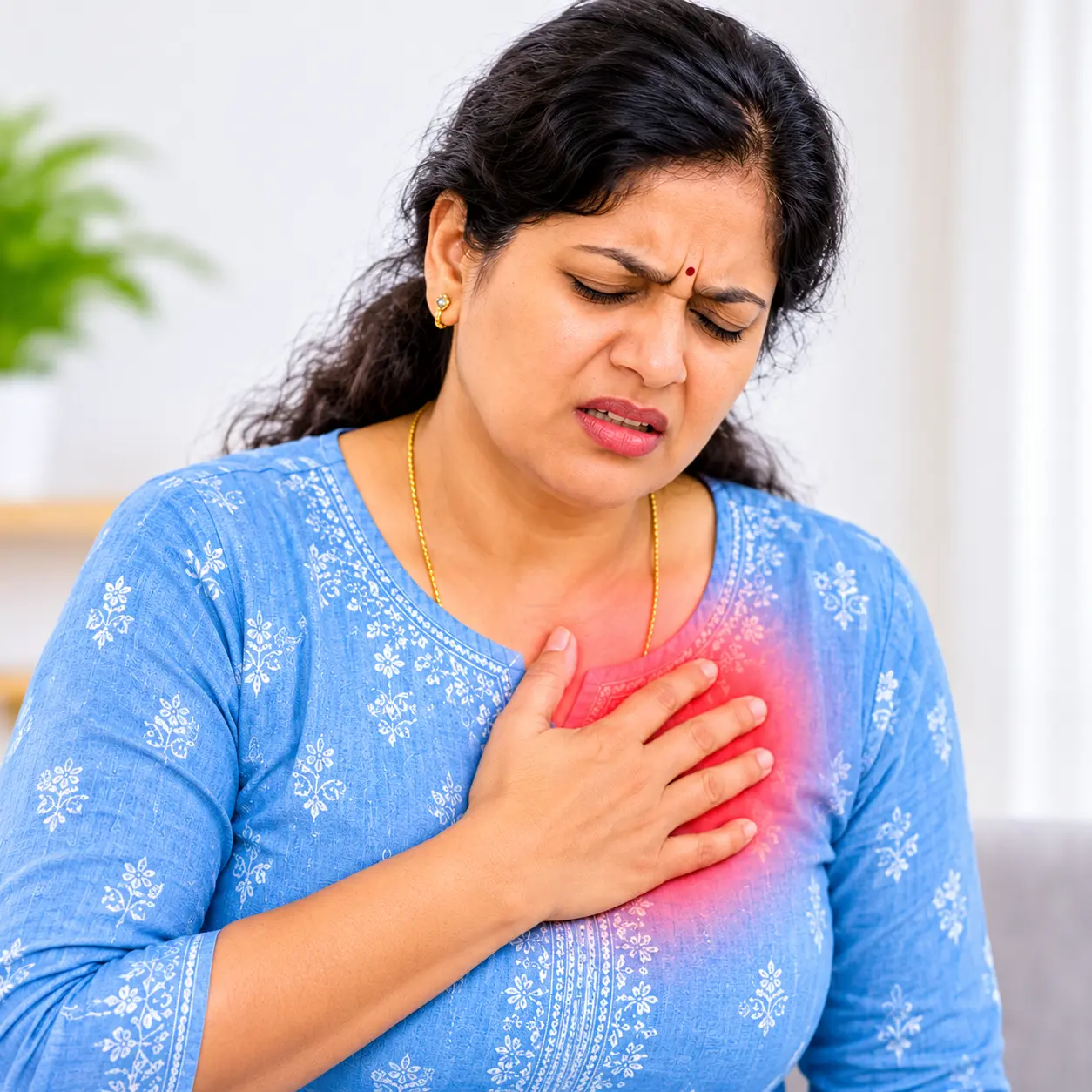
Chest discomfort is one of the most common heart attack symptoms in women. However, it does not always feel like sharp or severe pain.

You may experience:

  • Pressure, tightness, or squeezing in the chest.
  • A feeling of heaviness in the chest.
  • Burning or discomfort that resembles indigestion.
  • Pain or discomfort that lasts several minutes or goes away and returns.

Some women describe the sensation as fullness or uncomfortable pressure rather than pain.

What should you do?

If you experience new, unexplained chest discomfort, particularly with other warning signs, seek emergency medical help immediately. Do not assume that the discomfort is simply acidity or gas.


2. Shortness of Breath

Shortness of breath can occur during a heart attack, sometimes with chest discomfort and sometimes without it.

You may notice that:

  • You feel breathless while resting.
  • Ordinary activities suddenly become difficult.
  • You struggle to catch your breath.
  • You experience unusual breathing difficulty without an obvious reason.

Shortness of breath may also be associated with other medical conditions, but sudden or unexplained breathing difficulty should never be ignored.

Important: If breathing difficulty starts suddenly or occurs with chest discomfort, sweating, dizziness, or nausea, call emergency services immediately.

Enquiry

3. Unusual Tiredness or Extreme Fatigue

Feeling tired after a busy day is normal. However, unusual exhaustion that is out of proportion to your activities may be a warning sign.

Some women report feeling extremely tired in the hours or days before a heart attack. Everyday activities, such as climbing stairs, walking short distances, or completing routine household tasks, may suddenly feel much harder.

Possible warning signs include:

  • Unexplained weakness or exhaustion.
  • A sudden drop in energy levels.
  • Fatigue accompanied by breathlessness.
  • Feeling unusually weak despite adequate rest.

Fatigue alone does not necessarily indicate a heart problem. However, if it is new, severe, or accompanied by other heart attack symptoms, seek prompt medical assessment.


4. Pain in the Back, Neck, Jaw, or Shoulders

Heart attack pain does not always remain in the chest. It can spread to other parts of the upper body.

Women may experience discomfort in the:

  • Upper or middle back.
  • Neck.
  • Jaw.
  • One or both shoulders.
  • One or both arms.

The pain may feel like pressure, aching, tightness, or unexplained discomfort. Some women may mistake it for muscle strain or a sleeping-position problem.

Pay attention to pain that appears without a clear cause, especially when it occurs with sweating, nausea, chest discomfort, or shortness of breath.

Remember: Unexplained upper-body pain accompanied by other heart attack symptoms requires emergency evaluation.


5. Nausea, Vomiting, or Indigestion-Like Discomfort

Digestive symptoms can sometimes occur during a heart attack. Some women experience nausea, vomiting, or discomfort in the upper abdomen.

These symptoms may feel similar to:

  • Acidity or heartburn.
  • Indigestion after eating.
  • An upset stomach.
  • Pressure or discomfort in the upper abdomen.

Because these symptoms are common in everyday digestive problems, it can be difficult to recognize when they are related to the heart.

However, new digestive discomfort accompanied by chest pressure, breathlessness, cold sweating, or pain in the back or jaw should not be dismissed as acidity.

Do not delay emergency care by repeatedly taking home remedies or antacids when a heart attack is possible.


6. Cold Sweating

Sudden cold sweating without an obvious reason can be another warning sign of a heart attack.

You may experience:

  • Unexpected sweating while resting.
  • Cold or clammy skin.
  • Sweating accompanied by chest discomfort.
  • Sweating with nausea, dizziness, or shortness of breath.

Although sweating can occur because of heat, physical activity, anxiety, or other conditions, unexplained cold sweating combined with other warning signs needs urgent attention.

If you suspect a heart attack, call emergency services rather than waiting for the symptoms to disappear.


7. Dizziness, Lightheadedness, or a Feeling of Faintness

Feeling dizzy or lightheaded can occur for many reasons, including dehydration, low blood pressure, and other medical conditions. However, it can also accompany a heart attack.

Possible symptoms include:

  • Sudden lightheadedness.
  • Feeling as though you might faint.
  • Unusual weakness.
  • Dizziness accompanied by chest discomfort or breathlessness.

If you experience sudden dizziness together with chest pain, cold sweating, nausea, or difficulty breathing, seek emergency medical assistance immediately.

Do not drive yourself to the hospital if you suspect a heart attack. Call an ambulance and follow the emergency dispatcher’s instructions.


Can Women Have a Heart Attack Without Chest Pain?

Yes. Some women experience a heart attack without obvious chest pain. Instead, they may notice shortness of breath, unusual fatigue, nausea, back or jaw discomfort, or lightheadedness.

However, chest discomfort remains an important and common warning sign in women. The absence of chest pain does not rule out a heart attack.

The symptoms can vary from person to person. If you experience sudden, severe, unusual, or unexplained symptoms, particularly several symptoms together, seek immediate medical attention.


What Are the Risk Factors for Heart Attacks in Women?

Several factors can increase a woman’s risk of developing heart disease and having a heart attack.

Common risk factors include:

  • High blood pressure: Uncontrolled blood pressure can damage blood vessels over time.
  • Diabetes: High blood sugar can damage blood vessels and increase cardiovascular risk.
  • High cholesterol: Elevated LDL cholesterol can contribute to plaque buildup in the arteries.
  • Smoking: Tobacco use damages blood vessels and increases the risk of heart disease.
  • Excess body weight and physical inactivity: These can contribute to several cardiovascular risk factors.
  • Family history: A close family member with early heart disease may increase your risk.
  • Increasing age: Heart attack risk generally rises with age.
  • Pregnancy-related complications: Conditions such as preeclampsia and gestational diabetes can be associated with increased cardiovascular risk later in life.
  • Menopause: Changes associated with menopause may influence cardiovascular risk, although age and other factors also play important roles.

Having one or more risk factors does not mean that you will definitely have a heart attack. However, knowing your risk can help you and your healthcare professional plan appropriate preventive care.


What Should You Do If You Notice Heart Attack Symptoms?

A suspected heart attack requires emergency medical attention. Do not wait for symptoms to become severe.

Follow these steps:

  1. Call emergency services immediately. In India, dial 108 for emergency assistance.
  2. Stop physical activity. Sit or rest in a comfortable position while waiting for help.
  3. Do not drive yourself. An ambulance allows emergency personnel to begin assessment and treatment.
  4. Follow medical instructions. Do not take medication unless advised by an emergency professional or a healthcare professional familiar with your situation.
  5. Do not wait for symptoms to pass. Heart attack symptoms can come and go, but that does not mean the danger has passed.

Early treatment can help limit damage to the heart muscle. Never delay emergency care to arrange a routine appointment or diagnostic test.


How Are Heart Attacks Diagnosed in Women?

Doctors use several methods to determine whether a person is experiencing a heart attack. The tests recommended depend on the symptoms, medical history, and clinical examination.

Common diagnostic methods include:

  • Electrocardiogram (ECG): Records the electrical activity of the heart and can identify changes associated with a heart attack.
  • Blood tests: Troponin blood tests help detect heart muscle damage.
  • Echocardiogram (2D Echo): Uses ultrasound to assess the heart’s structure, pumping function, and movement of the heart walls.
  • Additional investigations: Depending on the situation, doctors may recommend further tests to assess blood flow and the condition of the coronary arteries.

Not every patient needs every test. Doctors determine the appropriate investigations based on the clinical findings.

Important: If you have symptoms of a heart attack, seek emergency medical care immediately. Do not delay treatment to arrange an ECG, blood test, or other diagnostic investigation independently.


How Can Women Reduce Their Risk of Heart Disease?

Although not every heart attack can be prevented, healthy habits and appropriate medical care can help reduce cardiovascular risk.

Here are some practical steps:

  1. Monitor blood pressure: Check your blood pressure regularly, especially if you have hypertension.
  2. Manage blood sugar: If you have diabetes or prediabetes, follow your healthcare professional’s recommendations.
  3. Check cholesterol levels: Regular assessments can help identify elevated cholesterol.
  4. Eat a balanced diet: Include vegetables, fruits, whole grains, legumes, nuts, and other heart-healthy foods.
  5. Stay physically active: Aim for regular physical activity appropriate for your health and fitness level.
  6. Avoid smoking: Quitting tobacco can improve cardiovascular health.
  7. Maintain a healthy weight: Work towards a sustainable weight that supports your overall health.
  8. Attend regular health checkups: Discuss your personal and family history of heart disease with your healthcare professional.

Remember that even women who follow a healthy lifestyle can experience a heart attack. Never ignore warning signs because you believe you are too young or too healthy to have heart disease.


Conclusion: Recognize the Warning Signs and Act Quickly

Recognizing heart attack symptoms in women can make a life-saving difference. Chest discomfort, shortness of breath, unusual fatigue, upper-body pain, nausea, cold sweating, and dizziness are seven important warning signs to understand.

Not every woman experiences the same symptoms, and some heart attacks occur without obvious chest pain. The symptoms may also resemble other medical conditions, making it important to take unexplained changes seriously.

If you or someone around you develops symptoms that suggest a heart attack, call emergency services immediately. Do not wait for symptoms to worsen or disappear on their own.

Taking care of your heart also means understanding your risk factors, managing existing health conditions, and seeking appropriate preventive care.

Your heart health matters. Recognize the signs, act quickly, and encourage the women you love to do the same.
Frequently Asked Questions (FAQs)

Early warning signs may include chest pressure or discomfort, shortness of breath, unusual fatigue, nausea, cold sweating, and pain in the back, jaw, shoulders, or arms. Symptoms vary from person to person. If you suspect a heart attack, seek emergency medical help immediately.

Yes. Some women experience a heart attack without obvious chest pain. They may develop breathlessness, nausea, unusual fatigue, back or jaw discomfort, or lightheadedness. However, chest discomfort remains a common symptom in women.

Heart attack discomfort may feel like pressure, tightness, squeezing, heaviness, or burning in the chest. Pain may also spread to the arms, back, neck, jaw, or shoulders. Some women experience symptoms that resemble indigestion.

Some people experience warning symptoms, such as unusual fatigue, breathlessness, or recurring chest discomfort, hours or days beforehand. Others develop symptoms suddenly without noticeable warning. New or unexplained symptoms should be assessed by a healthcare professional.

Women can have a heart attack at different ages, including during their 30s and 40s. Risk generally increases with age, but younger women are not immune. Smoking, diabetes, high blood pressure, high cholesterol, and certain pregnancy-related complications can increase risk.

Yes. Some heart attacks cause discomfort that resembles heartburn or indigestion. It can be difficult to distinguish the two based on symptoms alone. If you have new chest discomfort or digestive symptoms accompanied by sweating, breathlessness, nausea, or upper-body pain, seek emergency medical care.

Call emergency services immediately. In India, dial 108 for emergency assistance. Stop physical activity, rest while waiting for help, and follow the emergency dispatcher’s instructions. Do not drive yourself to the hospital or delay care to try home remedies.

Doctors commonly use an ECG and blood tests measuring cardiac troponin. Depending on the clinical situation, an echocardiogram and other investigations may also be recommended. No single test should be used in isolation when the clinical findings suggest a heart attack.

Yes. A healthy lifestyle can reduce cardiovascular risk, but it cannot eliminate it entirely. Family history, age, underlying medical conditions, and other factors can influence heart attack risk. Women should seek emergency care if they develop warning symptoms, regardless of their fitness level.

Women can reduce their risk by avoiding tobacco, staying physically active, eating a balanced diet, monitoring blood pressure and cholesterol, managing diabetes, and attending appropriate health checkups. Speak with a healthcare professional about your personal risk factors and preventive care needs.

Get in touch with our experts

Please feel free to contact our friendly reception staff with any general or medical enquiry call us.

Take Care of Your Heart Health

Your health deserves attention before a problem becomes an emergency.

At add-on Scans & Labs, we believe that awareness, preventive healthcare, and appropriate diagnostic services play important roles in supporting better health.

If you need information about diagnostic services or routine health checkups, our team can help you understand the available services and guide you on the next steps.

add-on Scans & Labs

  • 📍 Kaikondrahalli Branch: Sarjapura–Marathahalli Main Road, Bengaluru.
  • 📍 Sompura Gate Branch: Sarjapura–Marathahalli Road, Bengaluru.
  • 📞 Appointments and Enquiries: +91 9900811118
  • 🌐 Website: addonhealthcare.com

Important medical notice: If you or someone around you may be having a heart attack, call emergency services immediately. Do not wait for a routine appointment or diagnostic test.

Book Your Appointment Now

Our experienced team and advanced technology ensure you receive top-quality care and accurate results. Schedule your visit now for a seamless, compassionate healthcare experience.

Your well-being is our priority.

Fill the form to
Book an Appointment / Ask a Query

For timely assistance, our customer care team is available to call back between 7.00 AM to 8.30 PM.

We add-on scans and labs strive to be the first choice in healthcare by providing high quality services to improve diagnostic services in health care.

To book a blood test, or an online blood collection or to enquire about our services,
call +91-9900811118 or visit our website