3. Unusual Tiredness or Extreme Fatigue
Feeling tired after a busy day is normal. However, unusual exhaustion that is out of proportion to your activities may be a warning sign.
Some women report feeling extremely tired in the hours or days before a heart attack. Everyday activities, such as climbing stairs, walking short distances, or completing routine household tasks, may suddenly feel much harder.
Possible warning signs include:
- Unexplained weakness or exhaustion.
- A sudden drop in energy levels.
- Fatigue accompanied by breathlessness.
- Feeling unusually weak despite adequate rest.
Fatigue alone does not necessarily indicate a heart problem. However, if it is new, severe, or accompanied by other heart attack symptoms, seek prompt medical assessment.
4. Pain in the Back, Neck, Jaw, or Shoulders
Heart attack pain does not always remain in the chest. It can spread to other parts of the upper body.
Women may experience discomfort in the:
- Upper or middle back.
- Neck.
- Jaw.
- One or both shoulders.
- One or both arms.
The pain may feel like pressure, aching, tightness, or unexplained discomfort. Some women may mistake it for muscle strain or a sleeping-position problem.
Pay attention to pain that appears without a clear cause, especially when it occurs with sweating, nausea, chest discomfort, or shortness of breath.
Remember: Unexplained upper-body pain accompanied by other heart attack symptoms requires emergency evaluation.
5. Nausea, Vomiting, or Indigestion-Like Discomfort
Digestive symptoms can sometimes occur during a heart attack. Some women experience nausea, vomiting, or discomfort in the upper abdomen.
These symptoms may feel similar to:
- Acidity or heartburn.
- Indigestion after eating.
- An upset stomach.
- Pressure or discomfort in the upper abdomen.
Because these symptoms are common in everyday digestive problems, it can be difficult to recognize when they are related to the heart.
However, new digestive discomfort accompanied by chest pressure, breathlessness, cold sweating, or pain in the back or jaw should not be dismissed as acidity.
Do not delay emergency care by repeatedly taking home remedies or antacids when a heart attack is possible.
6. Cold Sweating
Sudden cold sweating without an obvious reason can be another warning sign of a heart attack.
You may experience:
- Unexpected sweating while resting.
- Cold or clammy skin.
- Sweating accompanied by chest discomfort.
- Sweating with nausea, dizziness, or shortness of breath.
Although sweating can occur because of heat, physical activity, anxiety, or other conditions, unexplained cold sweating combined with other warning signs needs urgent attention.
If you suspect a heart attack, call emergency services rather than waiting for the symptoms to disappear.
7. Dizziness, Lightheadedness, or a Feeling of Faintness
Feeling dizzy or lightheaded can occur for many reasons, including dehydration, low blood pressure, and other medical conditions. However, it can also accompany a heart attack.
Possible symptoms include:
- Sudden lightheadedness.
- Feeling as though you might faint.
- Unusual weakness.
- Dizziness accompanied by chest discomfort or breathlessness.
If you experience sudden dizziness together with chest pain, cold sweating, nausea, or difficulty breathing, seek emergency medical assistance immediately.
Do not drive yourself to the hospital if you suspect a heart attack. Call an ambulance and follow the emergency dispatcher’s instructions.
Can Women Have a Heart Attack Without Chest Pain?
Yes. Some women experience a heart attack without obvious chest pain. Instead, they may notice shortness of breath, unusual fatigue, nausea, back or jaw discomfort, or lightheadedness.
However, chest discomfort remains an important and common warning sign in women. The absence of chest pain does not rule out a heart attack.
The symptoms can vary from person to person. If you experience sudden, severe, unusual, or unexplained symptoms, particularly several symptoms together, seek immediate medical attention.
What Are the Risk Factors for Heart Attacks in Women?
Several factors can increase a woman’s risk of developing heart disease and having a heart attack.
Common risk factors include:
- High blood pressure: Uncontrolled blood pressure can damage blood vessels over time.
- Diabetes: High blood sugar can damage blood vessels and increase cardiovascular risk.
- High cholesterol: Elevated LDL cholesterol can contribute to plaque buildup in the arteries.
- Smoking: Tobacco use damages blood vessels and increases the risk of heart disease.
- Excess body weight and physical inactivity: These can contribute to several cardiovascular risk factors.
- Family history: A close family member with early heart disease may increase your risk.
- Increasing age: Heart attack risk generally rises with age.
- Pregnancy-related complications: Conditions such as preeclampsia and gestational diabetes can be associated with increased cardiovascular risk later in life.
- Menopause: Changes associated with menopause may influence cardiovascular risk, although age and other factors also play important roles.
Having one or more risk factors does not mean that you will definitely have a heart attack. However, knowing your risk can help you and your healthcare professional plan appropriate preventive care.
What Should You Do If You Notice Heart Attack Symptoms?
A suspected heart attack requires emergency medical attention. Do not wait for symptoms to become severe.
Follow these steps:
- Call emergency services immediately. In India, dial 108 for emergency assistance.
- Stop physical activity. Sit or rest in a comfortable position while waiting for help.
- Do not drive yourself. An ambulance allows emergency personnel to begin assessment and treatment.
- Follow medical instructions. Do not take medication unless advised by an emergency professional or a healthcare professional familiar with your situation.
- Do not wait for symptoms to pass. Heart attack symptoms can come and go, but that does not mean the danger has passed.
Early treatment can help limit damage to the heart muscle. Never delay emergency care to arrange a routine appointment or diagnostic test.
How Are Heart Attacks Diagnosed in Women?
Doctors use several methods to determine whether a person is experiencing a heart attack. The tests recommended depend on the symptoms, medical history, and clinical examination.
Common diagnostic methods include:
- Electrocardiogram (ECG): Records the electrical activity of the heart and can identify changes associated with a heart attack.
- Blood tests: Troponin blood tests help detect heart muscle damage.
- Echocardiogram (2D Echo): Uses ultrasound to assess the heart’s structure, pumping function, and movement of the heart walls.
- Additional investigations: Depending on the situation, doctors may recommend further tests to assess blood flow and the condition of the coronary arteries.
Not every patient needs every test. Doctors determine the appropriate investigations based on the clinical findings.
Important: If you have symptoms of a heart attack, seek emergency medical care immediately. Do not delay treatment to arrange an ECG, blood test, or other diagnostic investigation independently.
How Can Women Reduce Their Risk of Heart Disease?
Although not every heart attack can be prevented, healthy habits and appropriate medical care can help reduce cardiovascular risk.
Here are some practical steps:
- Monitor blood pressure: Check your blood pressure regularly, especially if you have hypertension.
- Manage blood sugar: If you have diabetes or prediabetes, follow your healthcare professional’s recommendations.
- Check cholesterol levels: Regular assessments can help identify elevated cholesterol.
- Eat a balanced diet: Include vegetables, fruits, whole grains, legumes, nuts, and other heart-healthy foods.
- Stay physically active: Aim for regular physical activity appropriate for your health and fitness level.
- Avoid smoking: Quitting tobacco can improve cardiovascular health.
- Maintain a healthy weight: Work towards a sustainable weight that supports your overall health.
- Attend regular health checkups: Discuss your personal and family history of heart disease with your healthcare professional.
Remember that even women who follow a healthy lifestyle can experience a heart attack. Never ignore warning signs because you believe you are too young or too healthy to have heart disease.
Conclusion: Recognize the Warning Signs and Act Quickly
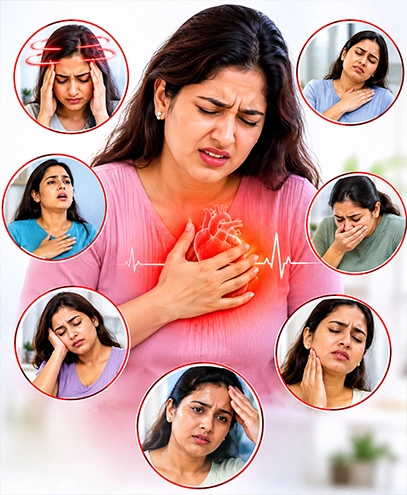
Recognizing heart attack symptoms in women can make a life-saving difference. Chest discomfort, shortness of breath, unusual fatigue, upper-body pain, nausea, cold sweating, and dizziness are seven important warning signs to understand.
Not every woman experiences the same symptoms, and some heart attacks occur without obvious chest pain. The symptoms may also resemble other medical conditions, making it important to take unexplained changes seriously.
If you or someone around you develops symptoms that suggest a heart attack, call emergency services immediately. Do not wait for symptoms to worsen or disappear on their own.
Taking care of your heart also means understanding your risk factors, managing existing health conditions, and seeking appropriate preventive care.
Your heart health matters. Recognize the signs, act quickly, and encourage the women you love to do the same.