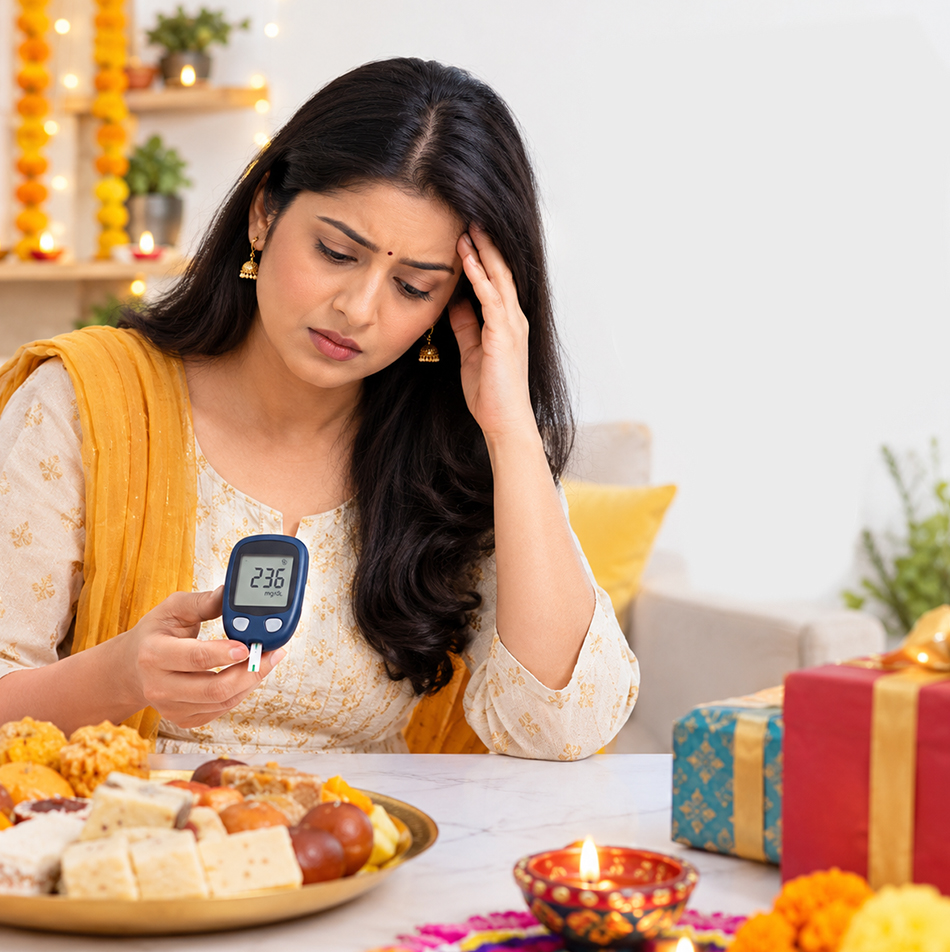
7 High Blood Sugar Symptoms You Should Never Ignore During Diwali
Knowing the common symptoms of high blood sugar can help you recognise when something may be wrong.
1. Excessive Thirst
Do you feel thirsty even after drinking plenty of water? Persistent thirst, also called polydipsia, can be a warning sign of high blood sugar.
When glucose levels become elevated, the kidneys try to remove excess glucose through urine. This process can cause fluid loss and dehydration, making you feel unusually thirsty.
What should you do? Drink water regularly and consider checking your blood sugar if the thirst persists, particularly if you have diabetes or other risk factors.
2. Frequent Urination
Are you visiting the bathroom more often than usual, especially at night?
Frequent urination, known as polyuria, is a common symptom of high blood sugar. When blood glucose rises above the kidneys’ ability to reabsorb it, glucose can enter the urine and draw additional water with it.
If frequent urination occurs alongside excessive thirst, unexplained fatigue or weight loss, do not dismiss it as a minor inconvenience during Diwali.
3.Unusual Tiredness or Weakness
Festive preparations can be tiring, but persistent exhaustion may have another explanation.
When blood glucose is high, the body may not use glucose effectively for energy. Dehydration can also contribute to weakness and fatigue.
If you feel unusually tired even after resting, especially when accompanied by other symptoms, consider seeking medical advice and checking your blood sugar.
4. Blurred Vision
Has your vision suddenly become blurry while reading messages, watching television or working?
Changes in blood glucose can affect the fluid balance in the eye and temporarily alter the shape of the lens, causing blurred vision.
Do not assume that blurry vision is simply due to tiredness or screen time. Arrange a medical assessment if it persists. Sudden vision loss or a sudden significant change in vision requires urgent medical attention.
5. Increased Hunger
Feeling hungry after a busy day is normal. However, persistent or unusual hunger, even after eating, can sometimes indicate high blood sugar.
When the body cannot use glucose effectively, cells may not receive the energy they need. This can trigger increased hunger despite having eaten.
If increased hunger occurs with thirst, frequent urination or unexplained weight changes, consider getting your glucose levels checked.
6. Slow-Healing Cuts or Frequent Infections
Small cuts, blisters or skin injuries may take longer to heal when blood sugar remains elevated. High glucose levels can interfere with normal healing and immune function.
People with diabetes may also be more susceptible to certain skin, urinary tract and other infections.
During Diwali, pay attention to burns, cuts and blisters caused by diyas, cooking or firecrackers. Clean and protect minor wounds appropriately, and seek medical care for significant burns, worsening redness, swelling, discharge or wounds that do not heal.
7. Unexplained Weight Loss
Losing weight without changing your diet or exercise routine can be a warning sign of uncontrolled diabetes.
When the body cannot use glucose properly, it may begin breaking down fat and muscle for energy. This can result in unintentional weight loss.
If you notice unexpected weight loss along with excessive thirst, frequent urination or persistent fatigue, arrange a medical evaluation promptly.
Important: These symptoms do not confirm diabetes on their own. Other conditions can cause similar symptoms, and some people with high blood sugar have no noticeable symptoms.
When Does High Blood Sugar Become a Medical Emergency?
Not every rise in blood sugar causes an emergency, but extremely high glucose levels can become dangerous. One serious complication is diabetic ketoacidosis (DKA), which can be life-threatening and requires immediate medical treatment. It is more common in type 1 diabetes but can also occur in type 2 diabetes.
Watch for these emergency warning signs:
- Persistent nausea or vomiting
- Abdominal pain
- Deep or rapid breathing
- Fruity-smelling breath
- Severe dehydration
- Confusion, unusual drowsiness or difficulty staying awake
Seek emergency medical care immediately if these symptoms occur. Do not wait for a routine laboratory appointment or assume the symptoms will disappear after resting. DKA can sometimes occur even when blood glucose is not extremely high, particularly in people taking certain diabetes medicines.
How Can You Keep Your Blood Sugar Under Control During Diwali?
You do not have to give up every festive tradition to look after your health. A few practical changes can help you enjoy Diwali more responsibly.
- Enjoy Sweets in Moderation
You can participate in festive celebrations while being mindful of portion sizes. Choose smaller portions of sweets, avoid repeatedly snacking throughout the day and account for sweets within your overall meal plan.
Sugar-free sweets are not automatically carbohydrate-free, so check their ingredients and nutritional information.
- Eat Balanced Meals
Include vegetables, protein-rich foods such as dal, beans, eggs or other suitable protein sources, and appropriate portions of carbohydrate-rich foods.
Try not to skip meals to compensate for eating sweets later. A balanced, regular eating pattern can help support better glucose management.
- Stay Hydrated
Drink water regularly throughout the day, especially during busy celebrations. Avoid relying on sugary soft drinks, packaged juices or sweetened beverages to quench your thirst.
If you have been advised to restrict fluids because of a medical condition, follow your healthcare professional’s guidance.
- Stay Physically Active
A short walk after meals, household activities or another activity suitable for your fitness level can help support blood sugar management.
If you have diabetes, discuss a safe activity plan with your healthcare professional, particularly if you take medicines that can cause low blood sugar.
- Follow Your Prescribed Medication Schedule
Do not skip, reduce or change your diabetes medicines or insulin simply because you are eating differently during Diwali.
If your meal schedule changes or you are unsure how to manage medication, consult your treating doctor for individualised advice.
- Monitor Your Blood Sugar
If you have diabetes, follow your prescribed glucose-monitoring schedule. Pay attention to readings that are consistently outside your personal target range.
Do not rely on symptoms alone. High blood sugar can occur even when you feel perfectly normal.
Which Blood Sugar Test Should You Consider?
If you are concerned about high blood sugar symptoms during Diwali, appropriate testing can help identify abnormal glucose levels.
|
Test
|
What it helps assess
|
|
Fasting Blood Glucose
|
Blood sugar after an overnight fast, usually at least 8 hours
|
|
Postprandial Blood Glucose
|
Blood sugar at a specified time after a meal, commonly 2 hours
|
|
Random Blood Glucose
|
Blood sugar measured at any time, particularly useful when symptoms are present
|
|
HbA1c Test
|
Average blood glucose over approximately the previous 2–3 months
|