
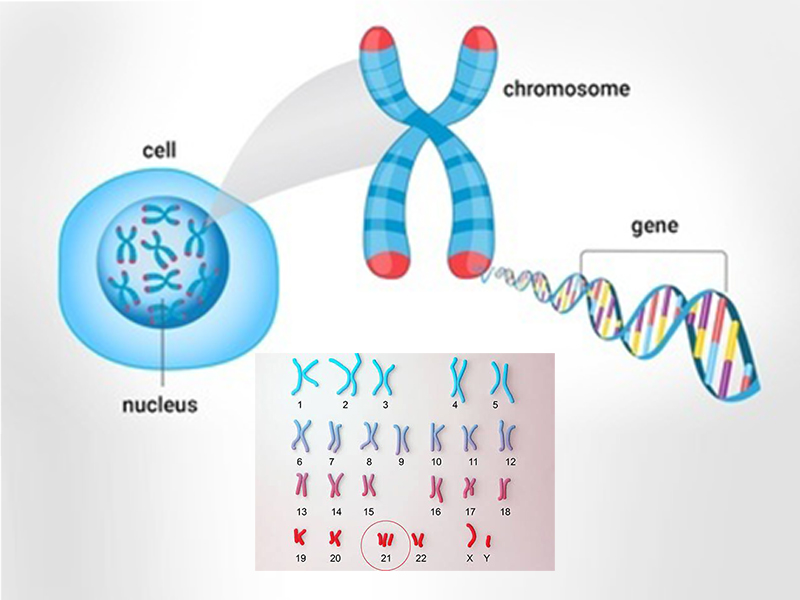
Karyotyping is a technique that examines chromosomes in cells to detect genetic abnormalities that cause ailments or diseases.
What is Karyotyping?
Karyotyping is a technique that examines chromosomes in cells to detect genetic abnormalities that cause ailments or diseases. It can detect chromosome abnormalities in blood samples, bone marrow, amniotic fluid, and placental tissue.
How is the test performed?
The sample is grown in a lab, stained, and inspected using a microscope. A specialist examines the size, shape, and number of chromosomes, generating a karyotype that depicts the chromosome arrangement.
How to prepare for the test: Follow your healthcare provider’s instructions, as preparation varies based on the sample type.
How the test feels:
Why the test is performed ?
Karyotyping helps:
It is used for:
In addition to karyotyping, your provider may order:
Risks: Sample collection may present dangers. Occasionally, lab-grown cells may have difficulties requiring a second test to confirm results.
Conclusion: Karyotyping is crucial for detecting genetic anomalies that can cause illnesses or diseases. Understanding the method, preparation, and outcomes helps you make more educated decisions regarding your genetic health.
Why Choose Our Services?
Book Your Test:
Call +91-9900811118 or visit our website to schedule a blood test or home collection or inquire about our services.
Our Promise:
We deliver top-quality medical diagnostics, including imaging, laboratory, and comprehensive health checks, with respect, courtesy, and compassion.
By choosing our services, you are opting for:
We are here to provide you with exceptional care and ensure you have a positive experience. Schedule your scan with us and take the next step toward better health today.
We add-on scans and labs strive to be the first choice in healthcare by providing high quality services to improve diagnostic services in health care.
To book a blood test, or an online blood collection or to enquire about our services,
call +91-9900811118 or visit our website
A karyotyping test is a genetic test that examines the number, size, and structure of chromosomes in a person’s cells. It helps detect chromosomal abnormalities that may cause genetic disorders, infertility, miscarriages, or certain cancers.
Karyotyping is done to identify genetic abnormalities, diagnose chromosomal disorders, investigate repeated miscarriages, detect congenital abnormalities in babies, and identify chromosomal changes linked to cancers like chronic myelogenous leukemia (CML).
Karyotyping is recommended for couples with recurrent pregnancy loss, babies with developmental delays or birth defects, individuals with infertility issues, pregnant women for prenatal diagnosis, and patients suspected of having genetic or blood-related disorders.
The test is performed by collecting samples such as blood, bone marrow, amniotic fluid, or placental tissue. The cells are grown in a laboratory, stained, and analyzed under a microscope to create a chromosome map called a karyotype.
Yes, karyotyping can be done using a blood sample. However, depending on the purpose, it may also be performed using amniotic fluid, bone marrow, or placental tissue.
The discomfort depends on the sample type. Blood collection involves a small pinch, amniocentesis may cause mild pressure, and bone marrow biopsy can cause temporary discomfort. The procedure is generally safe and well-tolerated.
Karyotyping results usually take 7 to 21 days, as the cells need time to grow in the laboratory before analysis. Your doctor will explain the results once they are available.
Karyotyping can detect conditions such as Down syndrome, Turner syndrome, Klinefelter syndrome, structural chromosome abnormalities, infertility-related genetic issues, and cancer-related chromosomal changes like the Philadelphia chromosome.
Karyotyping detects large chromosomal changes, FISH identifies specific small deletions or duplications, and microarray testing detects very tiny chromosomal alterations. Doctors may recommend one or a combination of these tests for accurate diagnosis.
Yes, prenatal karyotyping is generally safe when performed by experienced specialists. While procedures like amniocentesis carry minimal risk, they are carefully conducted to ensure maternal and fetal safety.

Our experienced team and advanced technology ensure you receive top-quality care and accurate results. Schedule your visit now for a seamless, compassionate healthcare experience.
Your well-being is our priority.
For timely assistance, our customer care team is available to call back between 7.00 AM to 8.30 PM.
We add-on scans and labs strive to be the first choice in healthcare by providing high quality services to improve diagnostic services in health care.
To book a blood test, or an online blood collection or to enquire about our services,
call +91-9900811118 or visit our website