Role of Amniocentesis in a Healthy Pregnancy

Pregnancy is one of the most exciting phases of life, but it can also bring along a number of questions, doubts, and sometimes, unexpected concerns. As medical science advances, there are now many tests that help expectant parents understand their baby’s health even before birth. One such important diagnostic test is Amniocentesis.

If you have heard about this procedure for the first time, you may feel anxious or wonder why it is done. This blog explains what Amniocentesis is, why it is performed, how it is done, what information it provides, and whether it is safe. We will also answer the most common FAQs asked by parents-to-be.

What is Amniocentesis?

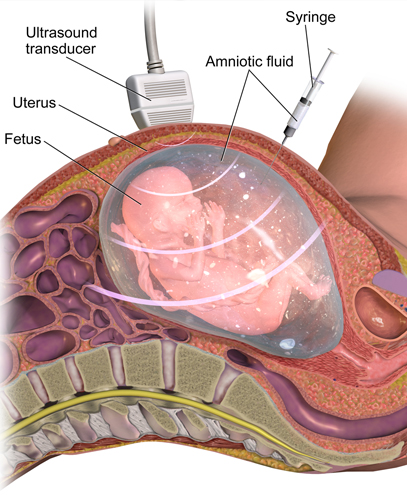
Amniocentesis is a prenatal diagnostic test performed during pregnancy to detect certain genetic, chromosomal, and metabolic conditions in the unborn baby. In simple words, it is a procedure where a small amount of amniotic fluid (the protective fluid surrounding the fetus in the womb) is collected for laboratory analysis.

This fluid contains fetal cells and important substances that can provide doctors with detailed information about the baby’s health.


When is Amniocentesis Recommended?

Amniocentesis is not a routine test for all pregnant women. It is usually advised when there is a higher risk of genetic or chromosomal abnormalities in the baby. Your doctor may suggest this test in the following situations:

Abnormal results in pregnancy scans such as NT scan, anomaly scan, or other ultrasound findings.

Abnormal results in blood tests like Double Marker, Triple Marker, or Quadruple Marker screening.

Positive or suspicious Non-Invasive Prenatal Testing (NIPT) results.

Family history of genetic conditions such as Down syndrome, thalassemia, muscular dystrophy, or cystic fibrosis.

History of previous pregnancy with genetic disorders.

Advanced maternal age (above 35 years), since the risk of chromosomal abnormalities increases with age.

It is important to note that Amniocentesis is a diagnostic test, not a screening test. While screening tests only suggest the possibility of a condition, Amniocentesis provides a definitive diagnosis.


Enquiry

How is Amniocentesis Performed?

The procedure is usually done after the 16th week of pregnancy (second trimester), when there is enough amniotic fluid around the fetus. Here’s what happens during the test:

The pregnant mother lies on her back while the radiologist performs an ultrasound to check the baby’s position, the placenta, and the safest area to collect fluid.

Under continuous ultrasound guidance, a very thin needle is carefully inserted into the uterus through the abdomen.

Around 20 ml of amniotic fluid is withdrawn into a syringe. The procedure is done in a way that avoids contact with the fetus.

Once collected, the amniotic fluid sample is sent to the laboratory for further analysis.

The test usually takes 15–20 minutes, but the actual needle procedure may last only a few minutes. Most women can return home the same day, although doctors recommend rest for the next 24 hours.


What Tests Are Done on Amniotic Fluid?

The collected amniotic fluid is rich in fetal cells and genetic material. Depending on the suspected condition, different tests may be performed:

Karyotyping – checks the number and structure of chromosomes; helps detect conditions like Down syndrome, Turner syndrome, or Edwards syndrome.

FISH (Fluorescence In Situ Hybridization) – provides rapid results for common chromosomal abnormalities.

Microarray Analysis – provides detailed information about small chromosomal changes that may not be visible in karyotyping.

DNA testing – identifies specific single-gene disorders if there is a family history.

These tests provide crucial information for doctors and parents to make informed decisions regarding pregnancy care.


What Conditions Can Amniocentesis Detect?

Amniocentesis can help diagnose:

  • Chromosomal abnormalities like Down syndrome (Trisomy 21), Edwards syndrome (Trisomy 18), and Patau syndrome (Trisomy 13).
  • Genetic disorders such as thalassemia, sickle cell anemia, muscular dystrophy, and cystic fibrosis.
  • Neural tube defects like spina bifida.
  • Certain metabolic conditions.
  • However, it is important to understand that Amniocentesis cannot detect every possible birth defect, such as heart defects or cleft lip, which are usually identified on ultrasound.


Is Amniocentesis Safe?

This is the most common concern among expectant mothers. The procedure is generally considered safe when performed by experienced specialists under ultrasound guidance. However, like any medical procedure, it carries some risks, including:

Risk of miscarriage (very low, in expert hands).

Mild abdominal cramps or spotting for a day or two.

Infection or injury to the baby (extremely rare with ultrasound guidance when done by experts).

Doctors usually recommend Amniocentesis only when the benefits of obtaining diagnostic information outweigh the small risks involved.


Role of Amniocentesis in a Healthy Pregnancy

For most women with low-risk pregnancies, Amniocentesis is not required. But in high-risk pregnancies, this test provides clarity and reassurance. It helps parents and doctors:

Confirm or rule out genetic conditions.

Plan the course of pregnancy and delivery.

Decide about special care or interventions needed after birth.

Prepare emotionally and financially for a child with special needs, if diagnosed.

In short, Amniocentesis empowers families with knowledge and helps doctors ensure the best care for both mother and baby.

Recovery after Amniocentesis

After the procedure, most women feel fine, but some may experience mild cramping. It is advised to:

Rest for the next 24 hours.

Avoid heavy lifting or strenuous activity for 2–3 days.

Contact the doctor immediately if there is heavy bleeding, severe abdominal pain, or fluid leakage.


Myths and Facts about Amniocentesis

Myth: Amniocentesis is unsafe for every pregnancy.

Fact: When done by experts, the procedure is very safe and complications are rare.

Myth: It is painful.

Fact: The procedure may cause mild discomfort, but it is not extremely painful. Local anesthesia may be given in some cases.

Myth: It is only done in abnormal pregnancies.

Fact: It is mainly recommended when risks are high, but in some families with a history of genetic disorders, it may be planned even in a normal pregnancy.

When it plays a key role

You should discuss with doctor if:

You are over 35 years of age.

Your screening test or ultrasound shows abnormal results.

You or your partner have a family history of genetic disorders.

You had a previous child with genetic abnormalities.

Your doctor will guide you on whether the test is necessary in your case.

Frequently Asked Questions (FAQs)

No. It is only advised when screening tests or history suggests a higher risk.

No, when performed under ultrasound guidance by experts, the risk of harm is extremely low.

Basic results like FISH may be available in 2–3 days, while full karyotyping or microarray results may take 1–3 weeks.

Most women describe it as mild discomfort, similar to a blood test, not severe pain.

Avoid heavy exercise, lifting weights, or long-distance travel for 2–3 days. Rest is recommended.

NIPT is a screening test, while Amniocentesis is diagnostic. If NIPT is abnormal, Amniocentesis is needed for confirmation.

Frequently Asked Questions (FAQs)

No. It is only advised when screening tests or history suggests a higher risk.

No, when performed under ultrasound guidance by experts, the risk of harm is extremely low.

Basic results like FISH may be available in 2–3 days, while full karyotyping or microarray results may take 1–3 weeks.

Most women describe it as mild discomfort, similar to a blood test, not severe pain.

Avoid heavy exercise, lifting weights, or long-distance travel for 2–3 days. Rest is recommended.

NIPT is a screening test, while Amniocentesis is diagnostic. If NIPT is abnormal, Amniocentesis is needed for confirmation.

Amniocentesis may sound intimidating at first, but it plays a vital role in high-risk pregnancies. It provides parents with clear answers and doctors with critical information to plan the best care for mother and baby. If your doctor recommends Amniocentesis, remember that it is done only when necessary, and in expert hands, the risks are very low.

For a detailed video explanation by doctor, you can also check our YouTube channel – add-on Scans & Labs.

At add-on Scans & Labs, we understand that pregnancy is a delicate journey. Our expert radiologists perform amniocentesis with utmost care and precision using advanced ultrasound guidance. We also provide comprehensive genetic testing including FISH, Karyotyping, Microarray, and advanced prenatal diagnostics.

If you have been advised amniocentesis or wish to know more about the procedure, contact us today for expert guidance and safe care.

Call us: +91-9900811118

Visit: www.addonhealthcare.com

Get in touch with our experts

Please feel free to contact our friendly reception staff with any general or medical enquiry call us.

Book Your Appointment Now

Our experienced team and advanced technology ensure you receive top-quality care and accurate results. Schedule your visit now for a seamless, compassionate healthcare experience.

Your well-being is our priority.

Fill the form to
Book an Appointment / Ask a Query

For timely assistance, our customer care team is available to call back between 7.00 AM to 8.30 PM.

We add-on scans and labs strive to be the first choice in healthcare by providing high quality services to improve diagnostic services in health care.

To book a blood test, or an online blood collection or to enquire about our services,
call +91-9900811118 or visit our website