
Why Do Amniotic Fluid Levels Matter in Your Pregnancy?

During pregnancy, your baby grows in a protective sac filled with a special fluid called amniotic fluid, or liquor amnii. While it may seem like just “water,” amniotic fluid is crucial for your baby’s development, safety, and overall well-being in the womb. It cushions the baby from external pressure, maintains a stable temperature, allows space to move, and contributes to essential growth of organs like the lungs, kidneys, and digestive system.

Monitoring amniotic fluid levels is an important part of prenatal care. Abnormal levels — either too little or too much—may signal potential complications and can affect how your healthcare provider manages your pregnancy.

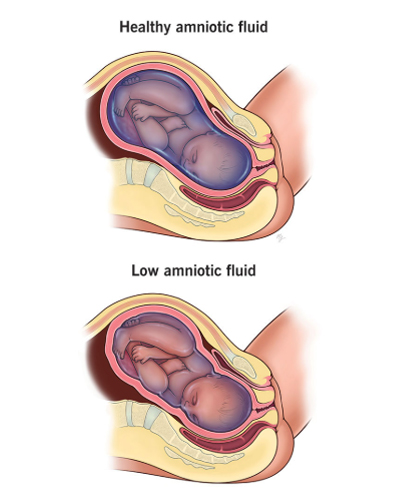
Why Do Amniotic Fluid Levels Matter in Your Pregnancy

This comprehensive guide will cover:

  • The role of amniotic fluid in pregnancy
  • How amniotic fluid levels are measured and what’s considered normal
  • Causes and risks of low fluid (oligohydramnios)
  • Causes and risks of high fluid (polyhydramnios)
  • How abnormal fluid levels are managed
  • FAQs for expectant mothers
  • A call-to-action to guide you toward proper monitoring

The Role of Amniotic Fluid in Pregnancy

Amniotic fluid is more than a protective cushion — it’s a dynamic environment that supports your baby’s growth in multiple ways:

  1. Cushioning and Protection
    The fluid acts as a shock absorber, protecting your baby from bumps and external pressure.
  2. Allowing Movement and Muscle Development
    Babies need to move, stretch, and turn. The fluid allows free movement, which promotes proper limb and muscle development.
  3. Temperature Regulation
    Amniotic fluid maintains a stable temperature inside the womb, helping to protect your baby from external temperature changes.
  4. Supporting Lung, Digestive, and Kidney Development
    Later in pregnancy, your baby breathes in and swallows amniotic fluid. This process is critical for lung maturation, digestive tract development, and normal kidney function.
  5. Preventing Umbilical Cord Compression
    Adequate fluid levels reduce the risk of the umbilical cord being compressed, ensuring uninterrupted blood and nutrient flow to the baby.

In essence, amniotic fluid provides a safe, growth-friendly environment essential for a healthy pregnancy.

The role of amniotic fluid in pregnancy

Enquiry

How Are Amniotic Fluid Levels Measured?

Amniotic fluid levels can only be accurately measured through ultrasound scans. There are two primary methods used:

  1. Amniotic Fluid Index (AFI)
    The uterus is divided into four sections, and the deepest pocket of fluid in each section is measured. These measurements are then summed to get the AFI.


   2. Single Deepest Pocket (SDP) or Maximum Vertical Pocket
This measures the single largest pocket of fluid that is free of fetal parts or cord.

Normal Levels:

  • AFI: Approximately 8-20 cm
  • Single Deepest Pocket: Approximately 2-8 cm

Values outside these ranges may indicate abnormal fluid levels, prompting closer monitoring or intervention.


Low Amniotic Fluid: Oligohydramnios

Oligohydramnios occurs when amniotic fluid levels are lower than expected. This is generally defined as an AFI below 8 cm or a single pocket of fluid less than 2 cm.

Causes:

  • Premature rupture of membranes (fluid leakage)
  • Placental problems reducing blood flow to the baby
  • Fetal kidney or urinary tract abnormalities
  • Post-term pregnancy, when fluid naturally decreases


Risks to the Baby:

  • Reduced cushioning can increase the risk of umbilical cord compression
  • Potential for restricted growth or development
  • Higher risk of complications during labor, including Cesarean delivery
  • In severe cases, risk of pulmonary underdevelopment


Management:

  • Close monitoring with regular ultrasounds
  • Ensuring maternal hydration and nutrition
  • Treatment of underlying causes when identified
  • Induction or early delivery may be recommended if fluid is severely low

Many cases of mild oligohydramnios are managed successfully, and babies are born healthy. However, the condition requires careful follow-up.


High Amniotic Fluid: Polyhydramnios

Polyhydramnios is the condition where amniotic fluid levels are abnormally high. It is generally defined as an AFI greater than 20 cm or a single pocket over 8 cm.

Causes:

  • Gestational diabetes causing the baby to produce more urine
  • Fetal abnormalities, especially those affecting swallowing or digestion
  • Multiple pregnancies (twins or more)
  • Often, no cause is identified (idiopathic polyhydramnios)


Risks to the Baby and Mother:

  • Overdistended uterus may lead to preterm labor or premature rupture of membranes
  • Malpresentation of the baby or umbilical cord issues
  • Increased risk of postpartum bleeding for the mother

Management:

  • Monitoring maternal blood sugar in case of diabetes
  • Regular ultrasounds to track fluid levels and fetal well-being
  • In severe cases, procedures to reduce fluid levels or medications may be used
  • Many mild cases require no intervention other than monitoring


Why Abnormal Fluid Levels Matter

Both low and high fluid levels are important indicators of pregnancy health:

  • Monitoring: Ultrasounds and regular checkups help detect fluid abnormalities early.
  • Delivery Planning: Abnormal levels can influence the mode and timing of delivery.
  • Maternal Health: Proper hydration and nutrition support maternal well-being and may influence fluid levels.
  • Fetal Well-being: Close monitoring ensures the baby’s growth and safety, reducing risks during labor.

Frequently Asked Questions (FAQs)

  • Oligohydramnios occurs in approximately 4% of pregnancies.
  • Polyhydramnios occurs in about 1% of pregnancies.

Not always. Many mild cases result in healthy babies. The cause, severity, and gestational age are key factors.

Hydration may help slightly, especially in mild cases, but it won’t fix underlying causes like kidney issues or placental problems.

Yes. Low growth can reduce fluid due to decreased urine output. Swallowing issues can increase fluid levels.

Possibly. Severe cases or underlying complications may lead to early delivery or Cesarean section.

  • Reduced fetal movements
  • Fluid leakage from the vagina
  • Unusual swelling or abdominal pain

When the cause is idiopathic, monitoring is key. Many pregnancies continue without complications with careful follow-up.

  • Amniotic fluid is essential for fetal protection and development.
  • Both low and high levels require careful monitoring.
  • Regular ultrasounds help detect changes early.
  • Nutrition, hydration, and maternal health support pregnancy well-being.
  • Communication with your healthcare provider ensures timely intervention if needed.

If you are pregnant, make sure to:

  • Attend all scheduled ultrasounds and prenatal checkups
  • Discuss your latest fluid measurements with your obstetrician
  • Keep track of fetal movements daily
  • Contact your healthcare provider immediately if you notice any abnormal symptoms


Monitoring amniotic fluid is a small step that makes a big difference in keeping your baby safe and ensuring a healthy pregnancy. Stay proactive, stay informed, and work closely with your doctor for the best outcome.

Frequently Asked Questions (FAQs)

  • Oligohydramnios occurs in approximately 4% of pregnancies.
  • Polyhydramnios occurs in about 1% of pregnancies.

Not always. Many mild cases result in healthy babies. The cause, severity, and gestational age are key factors.

Hydration may help slightly, especially in mild cases, but it won’t fix underlying causes like kidney issues or placental problems.

Yes. Low growth can reduce fluid due to decreased urine output. Swallowing issues can increase fluid levels.

Possibly. Severe cases or underlying complications may lead to early delivery or Cesarean section.

  • Reduced fetal movements
  • Fluid leakage from the vagina
  • Unusual swelling or abdominal pain

When the cause is idiopathic, monitoring is key. Many pregnancies continue without complications with careful follow-up.

  • Amniotic fluid is essential for fetal protection and development.
  • Both low and high levels require careful monitoring.
  • Regular ultrasounds help detect changes early.
  • Nutrition, hydration, and maternal health support pregnancy well-being.
  • Communication with your healthcare provider ensures timely intervention if needed.

If you are pregnant, make sure to:

  • Attend all scheduled ultrasounds and prenatal checkups
  • Discuss your latest fluid measurements with your obstetrician
  • Keep track of fetal movements daily
  • Contact your healthcare provider immediately if you notice any abnormal symptoms


Monitoring amniotic fluid is a small step that makes a big difference in keeping your baby safe and ensuring a healthy pregnancy. Stay proactive, stay informed, and work closely with your doctor for the best outcome.

Ensure a Safe Pregnancy Journey with Regular Scans!
Book your pregnancy ultrasound to check amniotic fluid levels at add-on Scans & Labs, Sompura Gate, Sarjapura Road, Bangalore.

Address: No. 26/5, Sompura Gate, Sarjapura Road, Bengaluru – 562125
Call Now: +91 9900811118
🌐 Visit: www.addonhealthcare.com

add-on Scans & Labs – Trusted Care for Every Stage of Pregnancy.

Get in touch with our experts

Please feel free to contact our friendly reception staff with any general or medical enquiry call us.

Book Your Appointment Now

Our experienced team and advanced technology ensure you receive top-quality care and accurate results. Schedule your visit now for a seamless, compassionate healthcare experience.

Your well-being is our priority.

Fill the form to
Book an Appointment / Ask a Query

For timely assistance, our customer care team is available to call back between 7.00 AM to 8.30 PM.

We add-on scans and labs strive to be the first choice in healthcare by providing high quality services to improve diagnostic services in health care.

To book a blood test, or an online blood collection or to enquire about our services,
call +91-9900811118 or visit our website